
Home » How Do I Know If Testosterone Replacement Therapy Is Right for Me? A Guide for Orlando Men
How Do I Know If Testosterone Replacement Therapy Is Right for Me? A Guide for Orlando Men
The Real Standard: Symptoms Plus Confirmed Lab Levels
The real answer isn’t in symptoms alone, or in a single blood test. It’s the overlap of both. You feel off, and your labs confirm a low testosterone level. We run full panels before recommending anything. Guessing helps no one.
You feel tired, foggy, low on drive. So you start wondering if testosterone replacement therapy is right for you, and you land on a dozen different answers online. Here’s the truth. Feeling off is real, but it’s not proof of low testosterone by itself. Fatigue, low mood, and weak libido show up in thyroid problems, sleep apnea, depression, and plain old burnout too.
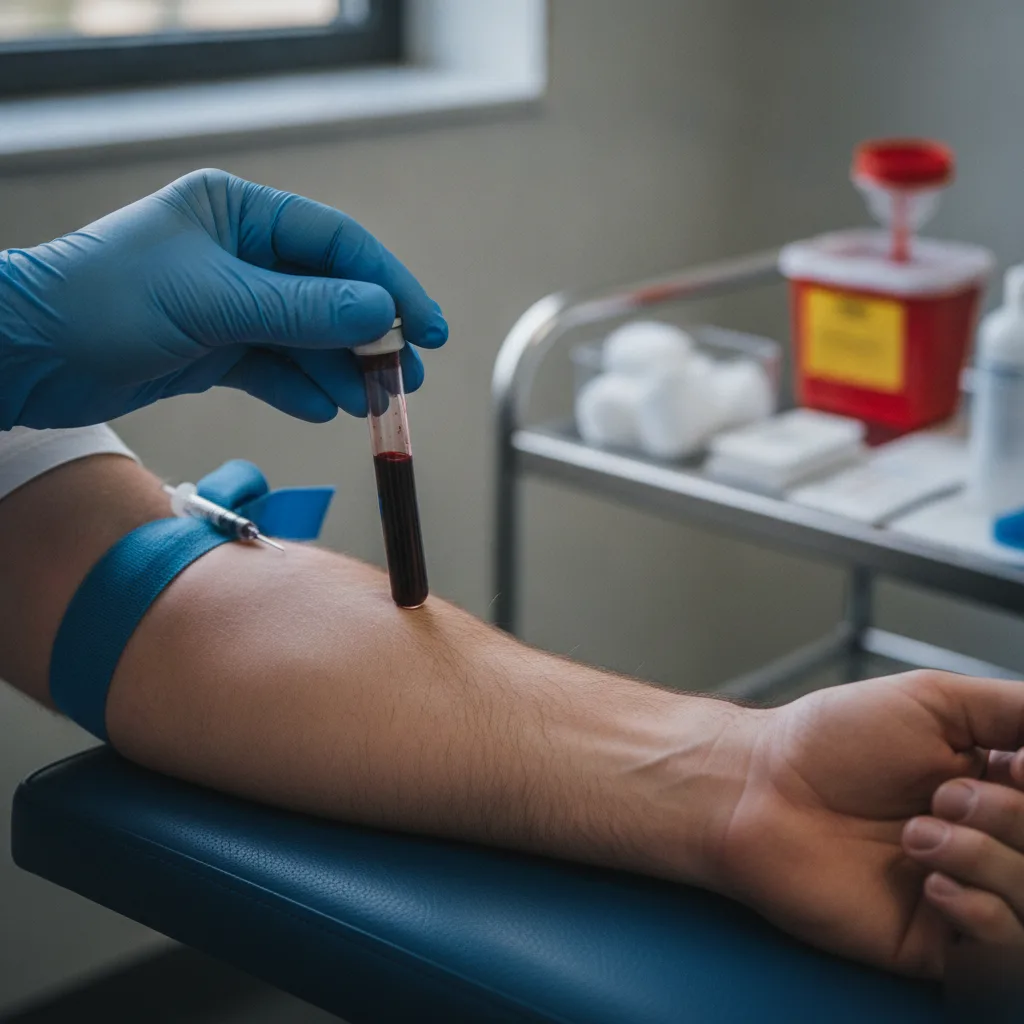
That’s why symptoms alone never seal the deal. A real diagnosis needs a blood draw, checked at the right time of day, usually morning when testosterone runs highest.
- Low energy that doesn’t improve with sleep or rest
- Reduced sex drive or fewer morning erections
- Loss of muscle mass despite regular activity
- Increased body fat, especially around the waist
- Mood changes, irritability, or trouble concentrating
Any one of these can point to low testosterone. But they can also point somewhere else entirely. That’s the whole reason labs matter.
The Endocrine Society sets the clinical bar at a total testosterone level below 300 ng/dL, confirmed on two separate morning draws, according to their clinical practice guideline. We also check free testosterone. A man can have a normal total number but still run low on the active, usable hormone. Low testosterone doesn’t show up overnight, it builds slowly over years of declining production.
We’ve seen guys walk in certain they’re low T, and their labs come back completely normal. And we’ve seen the opposite, a patient with mild symptoms whose labs were low enough to explain everything. So which matters more, the symptoms or the number on the page? Neither one alone. Numbers without symptoms mean nothing.
Symptoms without numbers mean guessing.
That’s the standard we hold to before anyone in Orlando starts treatment. Your story tells us where to look. Your labs tell us if there’s something to treat.

Common Signs That Lead Men to Ask This Question
Most men don’t wake up one day and decide to research testosterone therapy for no reason. Something shifts first. Maybe the gym sessions that used to feel easy now leave you wiped out for two days. Maybe your spouse mentions you seem short-tempered, or you keep turning down invitations because you just don’t have it in you anymore.
- Persistent fatigue that doesn’t improve with more sleep or coffee
- Lower sex drive or trouble maintaining erections
- Unexplained weight gain, especially around the midsection
- Loss of muscle mass despite regular workouts
- Mood changes like irritability, low motivation, or mild depression
- Brain fog or trouble concentrating at work
We had a patient in his late 40s who came in convinced he was just getting older, that fatigue was part of the deal now. His labs told a different story. His testosterone sat well below normal range for a man his age. Once we saw his full picture, the fatigue made sense clinically.
That’s the pattern we see again and again in our Orlando practice.
And it’s not just older men. We treat plenty of guys in their 30s dealing with these same symptoms, sometimes from chronic stress, poor sleep, or metabolic issues tied to insulin resistance. Low testosterone doesn’t always show up the way people expect. Some men notice mood changes first. Others notice their workouts stall out before anything else changes.
If several of these symptoms sound familiar, the next step is figuring out whether testosterone therapy fits your situation or if something else is driving the changes. You can learn more about how our team evaluates symptoms and lab work on our main service page for testosterone replacement therapy, where we walk through what treatment involves and what to expect.
Symptoms alone don’t confirm low testosterone. But they’re usually the reason men start asking the question in the first place. That’s a reasonable place to start.
Why Symptoms Alone Don't Confirm Low Testosterone
You feel tired all the time. Your gym sessions don’t hit the same. Maybe your mood’s been off, or your drive just isn’t there anymore. These signs point to low testosterone. But they point to a dozen other things too. We see this mistake all the time in our Orlando office: a guy walks in certain he needs testosterone replacement therapy, and his labs come back normal.
Fatigue, low libido, brain fog, and weight gain around the middle overlap with several common conditions. Some patients think they’re dealing with low T when it’s one of these instead.
- Sleep apnea, which drains energy and wrecks hormone production overnight
- An underactive thyroid, which slows metabolism and mimics low T fatigue
- Depression or chronic stress, both of which flatten mood and libido
- Undiagnosed prediabetes or insulin resistance, which causes weight gain and low energy
- Simple sleep deprivation or poor diet, which lowers testosterone temporarily on its own
That’s why we don’t diagnose off a symptom checklist. A checklist can’t measure your actual testosterone level. And it can’t rule out the other conditions sitting behind your symptoms.
Here’s a real pattern we see. A patient in his mid-40s comes in exhausted, gaining weight, irritable with his kids. He’s certain it’s testosterone. We run a full panel, morning draw, two separate readings like guidelines require. His testosterone is fine. His thyroid isn’t. Once we treat the actual problem, his energy comes back within weeks.
So what actually settles the question? Bloodwork, not guesswork.
Standard testing looks at total and free testosterone, thyroid function, blood sugar, and other markers that can explain your symptoms. Treating low T when your real issue is your thyroid won’t fix anything. It just delays the real fix, and it exposes you to a treatment you didn’t need.
Board-certified physician oversight matters here. Labs need correct timing, correct interpretation, and a doctor who knows what normal looks like for your age and health history. That’s not something an online symptom quiz can do.
Book Your Consultation
Frequently Asked Questions
What should I expect during a testosterone evaluation appointment?
You should expect a conversation about your symptoms first, then a blood draw. We ask about sleep, stress, and energy levels before ordering any labs. The blood draw checks total and free testosterone, along with markers like thyroid and blood sugar. Most men finish the appointment in under an hour. If your results confirm low testosterone, we walk you through your options on our testosterone replacement therapy page so you know exactly what comes next.
Is it true that every man with low energy needs testosterone replacement therapy?
No, low energy alone does not mean you need testosterone therapy. Many Orlando men assume fatigue automatically points to low T, but sleep problems, stress, and diet can cause the exact same symptoms. The only way to know for sure is a lab-confirmed diagnosis, not a guess based on how you feel. We test first, then talk about treatment. This approach protects you from starting therapy you don’t need.
Does Orlando’s climate or lifestyle affect testosterone levels?
Orlando’s heat and humidity don’t directly lower testosterone, but the lifestyle habits tied to them can. Long hours indoors during summer, disrupted sleep from the heat, and sedentary desk jobs can all lower testosterone over time. Many Orlando patients also work shift schedules tied to hospitality and tourism jobs, which throws off sleep cycles. Poor sleep is one of the fastest ways to drop testosterone naturally. That’s why we always ask about sleep and work schedule during your evaluation.
How often should testosterone levels be tested to get an accurate reading?
Testosterone should be tested at least twice, on two separate mornings, before any diagnosis is made. Levels shift throughout the day and can dip due to poor sleep, stress, or illness. A single test can give a false low or false normal reading. That’s why we always confirm results with a second draw before recommending treatment. This step protects you from starting therapy based on one off day.
Can lifestyle changes raise testosterone without medical treatment?
Yes, lifestyle changes can raise testosterone in some men, especially those with mild or borderline low levels. Better sleep, weight loss, and reduced alcohol use can all improve natural testosterone production. These changes work best when low testosterone is tied to stress, poor sleep, or excess body fat rather than a medical condition. We always check if lifestyle changes make sense for you before recommending testosterone replacement therapy.
At what age should men start watching for low testosterone symptoms?
Men should start paying attention to testosterone symptoms in their early 30s, since natural decline often begins around that age . That said, we see Orlando patients in their 30s and men in their 60s with the exact same symptoms. Age alone doesn’t decide who needs treatment. Confirmed lab work does. If you’re noticing changes at any age, a proper evaluation is the only way to know what’s really going on.
Ready for a Svelte transformation?
Take the first step toward better health and metabolic stability today.
Our team is here to support you.