
Home » How Do I Know If My Symptoms Are Low Testosterone or Something Else? A Guide for Orlando Men
How Do I Know If My Symptoms Are Low Testosterone or Something Else? A Guide for Orlando Men
Why Low Testosterone Symptoms Are So Easy to Misread
Low testosterone symptoms like fatigue, low mood, weight gain-overlap a lot with thyroid issues, sleep apnea, depression, and normal insulin resistance. This overlap is why guessing never works. A blood test is the only way to know what’s really happening inside your body.
Here’s the problem we see every week in our Dr. Phillips clinic. A man comes in, convinced he has low testosterone. He’s tired. He’s gained weight around his middle. His motivation is gone. He’s right, those are classic low-T symptoms.
But they’re also classic signs of poor sleep, chronic stress, thyroid issues, and insulin resistance. Years of a high-carb diet do this too. Your body doesn’t send you a memo with a label on it. It just sends discomfort. It’s on you to figure out where it’s coming from. Or, better yet, let a lab test do the work.
- Fatigue can come from low testosterone. Also poor sleep, thyroid issues, or blood sugar swings from insulin instability.
- Weight gain around the midsection is a classic low-T sign. But it’s also a signature of a sugar-burning metabolism.
- Low mood and irritability overlap with depression. Also chronic stress and hormonal shifts. Self-diagnosis is risky.
- Reduced libido can come from testosterone decline. Or medication side effects, relationship stress, or vascular issues.
- Brain fog shows up with low-T. It also comes from poor sleep, nutrient deficiencies, and blood sugar crashes after high-carb eating.
We had a patient last year who thought his exhaustion was just testosterone. His labs told a different story. He had mild low-T. But a much bigger insulin problem drove most of his fatigue and weight gain. Treating one without the other would have left him frustrated and still tired.
This is why we don’t guess. We test. A full hormone panel gives us actual numbers. Not assumptions. It helps us find true testosterone deficiency. We sort it out from the dozen other things that mimic it.
The pace of life in Dr. Phillips doesn’t help. Long commutes, heat exhaustion, disrupted sleep schedules-all of it muddies the picture. Rebound hunger and constant “food noise” often get blamed on low-T. Really, they’re signs of insulin swings from years of processed eating. Your metabolism is talking to you. But it takes bloodwork to translate what it’s saying.

Conditions That Can Look Like Low Testosterone
So how do you know if your symptoms are low testosterone or something else? That question comes up in almost every consult I do here in the Orlando area. It’s a fair one. Fatigue, brain fog, stubborn weight gain-they overlap with other conditions. Some are simple fixes. Some need a whole different plan.
I’ve had patients walk in sure they had low T. Turns out their thyroid was the real problem. Others assume it’s just aging. But their labs show something specific with blood sugar or insulin. This is why we don’t guess. We test.
A few conditions really mimic low testosterone. They fool a lot of people. They fool many primary care visits too. The symptoms overlap too much. Here’s what we screen for before we ever talk treatment.
- Thyroid dysfunction: an underactive thyroid causes fatigue, weight gain, and low mood. Looks almost identical to low T.
- Insulin resistance: when insulin stays high, your body burns sugar, not fat. That alone causes the sluggish, foggy feeling patients often blame on hormones.
- Sleep apnea: poor oxygen at night wrecks energy. It can also lower testosterone over time. They often show up together.
- Depression or chronic stress: cortisol imbalance can flatten mood and libido. It mirrors hormonal decline very closely.
- Vitamin D or B12 deficiency: these are simple, correctable, and often overlooked. Yet, they cause real fatigue and low drive.
Here’s a real pattern we see. A man in his 40s comes in. He’s tired, irritable, gaining weight around the middle. He’s sure it’s testosterone. But his diet is heavy in processed carbs. His labs show high insulin alongside normal testosterone. His body runs on a sugar-burning metabolism. Not a fat-burning one. That’s not a testosterone problem. That’s an insulin stability problem. It responds to a completely different plan.
This doesn’t mean testosterone isn’t the issue. It often is. Especially for men over 40. But you just can’t tell the difference by symptoms alone.
The only real way to sort this out is a full lab panel. Not just a testosterone number. We need thyroid markers, fasting insulin, vitamin levels, and a real talk about your sleep and stress. We’ve built our approach around this kind of clinical oversight. Guessing wastes time. It sometimes delays treating the real problem for months.
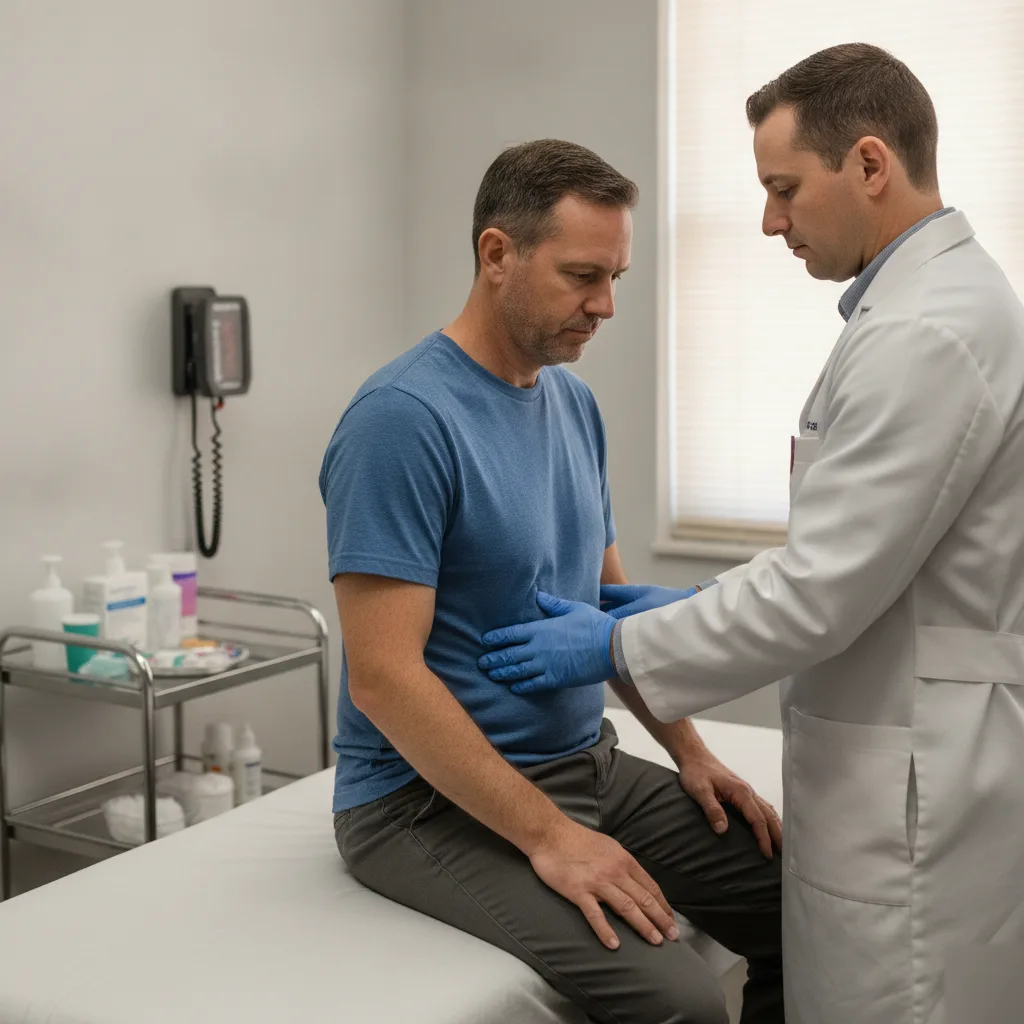
What It Takes to Diagnose Low Testosterone
Symptoms point you in a direction. They don’t confirm anything. A real diagnosis needs blood work. And it needs to be done right. We’ve had men walk in convinced they had low testosterone. Their labs came back completely normal. Something else was driving the fatigue. That’s the whole reason testing exists.
So what does a proper workup look like? It’s more than one blood draw. Honestly, this is the part most people overthink.
- Get a morning blood draw. Testosterone peaks early and drops through the day.
- Confirm with a second test on a different day. One low number isn’t a diagnosis.
- Check free testosterone along with total. Not just the total number alone.
- Review thyroid, cortisol, and blood sugar markers. Rule out other causes.
- Discuss symptoms with a physician. They connect the labs to how you feel.
That two-draw step trips people up the most. A single low reading can happen. Poor sleep, stress, even the time of day you got tested. Your body doesn’t run on a perfectly straight line, hormone levels shift-that’s normal biology, not a lab error.
Here’s a scenario we see often in our Orlando clinic. A man in his mid-40s comes in. He’s tired, unmotivated, gaining weight around the midsection. He assumes it’s testosterone. But his labs show normal testosterone. And elevated fasting insulin. His real issue is a sugar-burning metabolism, not a hormone deficiency. Insulin spikes from a high-carb diet are driving the fatigue and the rebound hunger he keeps blaming on willpower. You’d think it’s testosterone, but actually-
This is why we don’t diagnose from a symptom checklist. We diagnose from data.
A board-certified physician reviewing your labs matters more than most people realize. Numbers alone don’t tell the full story. Someone has to read them against your age, your health history, and your daily symptoms. That’s clinical oversight. Not guesswork. It’s the difference between a plan built on evidence and one built on assumption.
If your labs do show low testosterone, treatment can move forward with confidence. If they don’t, you’re not back at square one. You’ve ruled something out, and that’s progress. Either way, you walk away with real answers. No more guessing.
Book Your Consultation
Frequently Asked Questions
Can I tell if I have low testosterone just from my symptoms?
No, you cannot tell from symptoms alone. Fatigue, weight gain, and low mood overlap with thyroid problems, sleep apnea, and insulin resistance. Two men can have the exact same complaints and completely different lab results. That is why guessing leads so many Orlando men down the wrong path. A blood test is the only reliable way to know what is happening. If you are unsure, our guide on low testosterone symptoms can help you understand what to look for before testing.
What conditions get mistaken for low testosterone the most?
Thyroid dysfunction, insulin resistance, sleep apnea, and vitamin deficiencies are the top mimics we see in Dr. Phillips. Each one can cause fatigue, weight gain, and brain fog that look just like low-T. Depression and chronic stress also flatten mood and libido in a similar way. This overlap is exactly why a full panel matters more than a single testosterone number.
Does living in Orlando’s heat and traffic make symptoms worse?
Yes, it can make symptoms feel worse even when hormones are normal. Long commutes, heat exhaustion, and disrupted sleep schedules are common here and they mimic low-T fatigue closely. Many Orlando men blame testosterone when the real culprit is dehydration, poor sleep, or blood sugar swings. Lab work helps separate lifestyle stress from an actual hormone problem.
Why do I need two blood draws to confirm low testosterone?
One low reading is not enough because testosterone levels naturally shift day to day. Poor sleep, stress, or even the time of your blood draw can lower a single result. A second test on a different day confirms whether the drop is real or temporary. This two-step process protects you from starting treatment you may not need.
Is it a mistake to assume weight gain around the belly always means low-T?
Yes, that is one of the most common misconceptions we see in our clinic. Midsection weight gain is a classic low-T sign, but it also shows up with a sugar-burning metabolism from insulin resistance. We have had patients with normal testosterone whose real issue was years of high-carb eating. Only bloodwork can tell you which one is driving your symptoms.
When should I see a doctor instead of just trying supplements?
You should see a doctor before trying supplements whenever fatigue, low mood, or weight gain lasts more than a few weeks. Supplements cannot fix a thyroid problem, sleep apnea, or true testosterone deficiency, and guessing wastes time. A physician can order the right labs and connect your symptoms to real numbers. This clears up confusion faster than trial and error ever will.
Ready for a Svelte transformation?
Take the first step toward better health and metabolic stability today.
Our team is here to support you.