
Home » Testosterone Replacement Therapy East Orlando » Testosterone Pellet Therapy in Orlando | Svelte Medical Weight Loss – East Orlando
Testosterone Pellet Therapy in Orlando | Svelte Medical Weight Loss - East Orlando
Recognizing the Signs of Low Testosterone

Few folks ever roll out of bed in the morning and say, “My testosterone must be low.” It’s much more gradual. For a while now you’ve felt like you’re trudging through the afternoon even though you clocked a full eight hours of sleep the night before. Your workouts feel like a waste of time. You can’t seem to hang on to any of the muscle tone you had a year ago. Your mood doesn’t seem what it used to be and you can’t seem to put your finger on what’s changed.
We see this story on a weekly basis.
Low testosterone isn’t characterized by a single “symptom.” It is a collection of symptoms that permeate your whole life. You may experience some of these at the same time, or maybe just one of these is causing you a big deal. Regardless, they are important symptoms that you should know.
The number one complaint that we see is persistent fatigue. This is more than “I stayed up way too late” type fatigue. It’s a weariness in your bones that sleepiness that no amount of coffee is going to be able to fix. This fatigue is often accompanied by brain fog and the frustration of being unable to focus on a thought or recall why you walked into a room in the first place. People blame it on too much stress or too much age. Yes, age can be a factor, but sometimes it is your hormones that are to blame.
Another sign is loss of muscle mass. This is common in our practice given the activity and lifestyle of folks in the Waterford Lakes / East Orlando area of Orlando. You may still be hitting the gym or running on some nearby trails, but your body isn’t responding as well. It’s like your body just won’t cooperate with you anymore. It’s like no matter what you try you just can’t seem to get the fat off around your midsection. This is also a classic sign of a hormonal imbalance.
Then there are the things that people don’t want to talk about much: low libido, sexual problems, mood changes, and/or irritability that are impacting your personal relationships. They are things that can make a real impact on your life. Things you can’t just plow through like you’ve been doing for months, years, even decades now.
Sleep is another thing often mentioned. You fall asleep fine and wake up in the middle of the night (say, 2 a.m.) with no hope of drifting back off. Or you get a good eight hours of shut-eye but still feel like you got maybe three hours of sleep.
But what it all boils down to: no one single “sign” of low testosterone on its own can tell you what is wrong with you. And the only true test is to see a physician for bloodwork to get your levels checked. You need an exam with a physician to know exactly where your testosterone levels are at and if you would benefit from testosterone pellet therapy in the Orlando area. No more guessing. We know what’s going on from the lab work we can order for you.
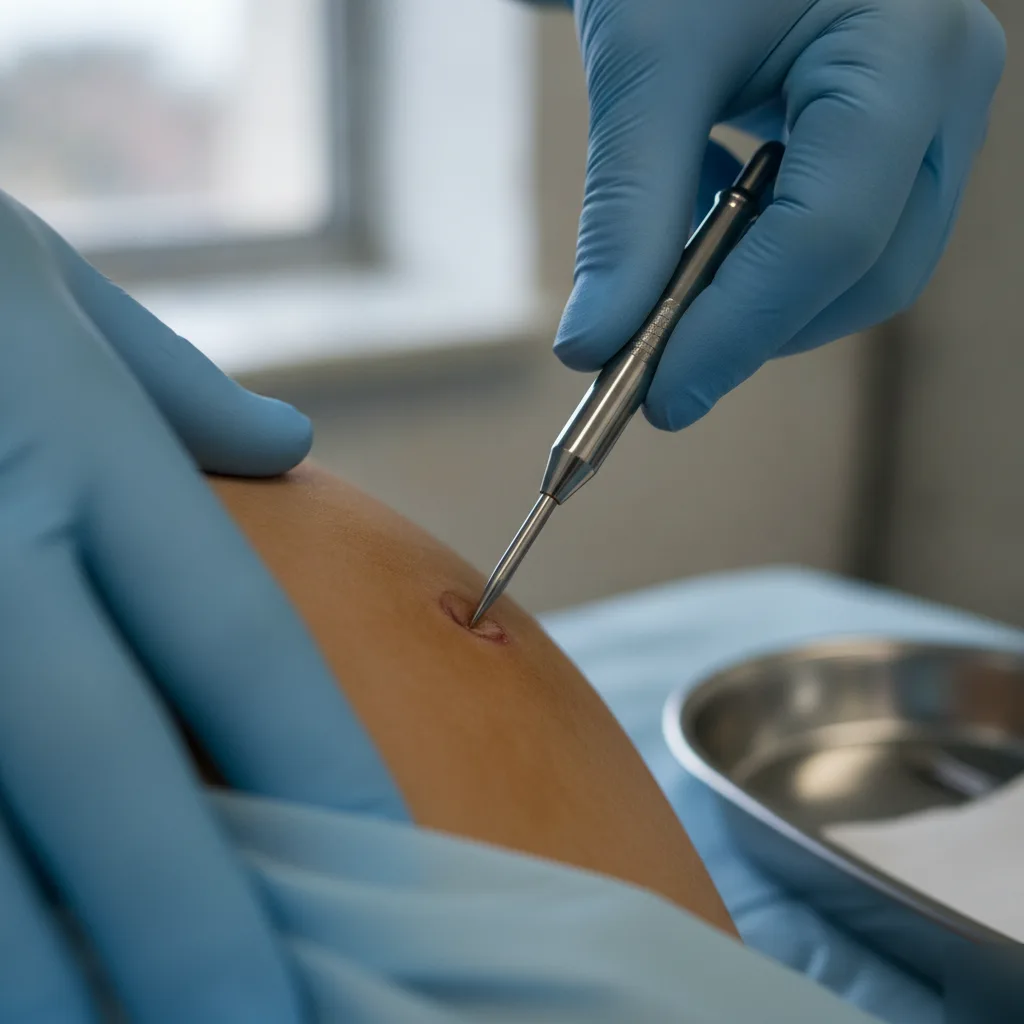
Testosterone Pellet Insertion in Orlando: What to Expect
The procedure itself is very short and you will be surprised.
We will have you come into one of our East Orlando area clinic locations for a very short office visit. We clean and numb a small area over the upper hip/buttock area, then make a tiny incision, slightly smaller than a pencil eraser. Biote pellets are roughly the size of a grain of rice and are inserted just beneath the skin. The site is closed with a small adhesive strip, no sutures are required. The whole process takes about 10–15 minutes, and you leave on your own. Many patients comment that it was easier than expected.
What do the first few days look like? Avoid heavy lower-body exercise for 5 days. No swimming, hot tubs, or baths during this period. Because East Orlando has a warm, humid climate, keep the site dry and clean to minimize irritation. Light walking is okay, and most patients return to work immediately. You may experience some mild soreness or bruising at the site (similar to a blood draw that’s tender for several days), but serious complications are rare. All of our insertions are performed by physicians and adhere to the Biote protocol, so we control for key variables: dosing accuracy, sterile technique, and depth of insertion.
You won’t have an overnight transformation. The pellets dissolve slowly in your bloodstream over 3 to 6 months. Most patients notice changes in energy and mood within 3–4 weeks. Sleep often is the first thing to improve, and mental clarity often follows. Libido and recovery tend to follow in a few weeks’ time. You will see your levels again at the 4-to-6-week mark. If you’re wondering if you’ll have to do this for the rest of your life, this is a common question. We’ll plan long term with you at your follow-up appointment so you’re not caught off guard. If you’re ready to explore if pellet therapy is a good option for you, please contact us or schedule an appointment at the office nearest to you.
Why Lab-Confirmed Dosing Matters vs. Guesswork
We regularly see a patient come in who is using testosterone from another provider or an online clinic. They are slightly better than they were, but still not quite right. Sleep isn’t good. Energy crashes around 2 p.m. Mood changes come out of nowhere. Their labs confirm a lot very quickly. The dose was not guided by the patient’s blood work. This is the difference between guessing and knowing. Testosterone pellet therapy works as it’s designed to only when the dose is guided by what your body actually needs. Not a set amount. Not a one-size-fits-all. Your free testosterone, your total testosterone, your estradiol, your SHBG, your thyroid labs…it all counts. If any of the above are skipped, you’ll be guessing.
Also, remember, East Orlando is located in a very hot, humid climate that will also affect how your body is processing those hormones. Patients that are outside in the Waterford Lakes neighborhood for hours at a time, or commuters in and out of Orlando on the 408 are often times stressed out from lack of sleep, which can skew your baseline. It might be a dose that was perfect for you but not taking those factors into consideration. That’s why we will run a full lab panel prior to your first time getting pellet insertions and then retest you at certain intervals to see how the pellets are actually working for you. This helps us to see if the release rate of the pellet is working, how your estrogen is being converted, and if they are going up or down and how fast. Many people report pellets don’t work, when really it was just the dosage. As a Biote Certified Provider, we follow protocols that are guided by lab results. A board-certified TRT physician Orlando patients trust looks at your results, not a machine or an AI. A doctor will look at the whole picture and adjust your protocol accordingly. Also, if you are told that your hormone levels are normal but you still don’t feel well, we think that is something worth digging in on. Normal ranges in lab results can be a wide variance; just because they’re in range doesn’t mean they’re right for you. Lab-guided dosing helps us see the whole picture.
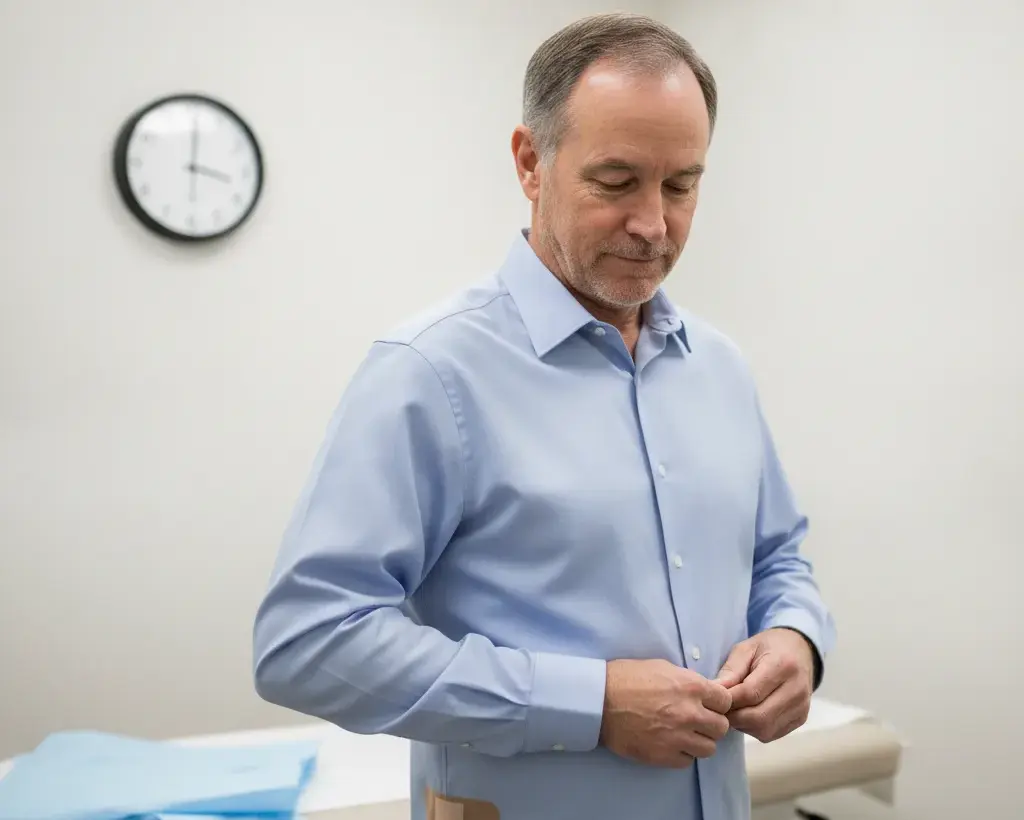
When You Shouldn't Get Hormone Pellets
We want to be upfront; just because someone walks into our center doesn’t mean they are necessarily a candidate for a testosterone pellet. It’s an honest answer. And we believe you deserve that answer before you book and schedule.
If your blood work is in the normal range, testosterone pellets might not be your best option. Your other symptoms, like fatigue, lack of brainpower, low drive and motivation, can also be caused by many different things like a thyroid condition, lack of sleep, vitamin or mineral deficiencies, stress, or poor health habits. It happens often. We see it all the time. People who are convinced they have low testosterone but their blood work is in normal range. Instead of treating something that isn’t the issue, we look into the deeper issues.
Additionally, testosterone pellet treatments aren’t recommended for patients with certain medical conditions. If you’ve had a history of prostate cancer, you should be evaluated carefully before trying any type of testosterone replacement. Likewise, women with hormone-sensitive cancers should also be carefully evaluated. Also, if you are trying to conceive now, a testosterone supplement may be contraindicated because a high concentration of exogenous testosterone can actually decrease sperm counts in males and interfere with ovulation in women. These are all serious details that are very important to keep in mind.
It happens. Some people come into the office with interest in pellets because of a friend but never try other lifestyle changes first. At times, improving sleep, diet, and managing stress may do as much for their fatigue and mood as any hormone treatment can. Because it’s warm and humid almost all year around, the conditions in East Orlando can lead to poor sleep for some residents, particularly if you’re living near Lake Underhill or close to the Econlockhatchee River where nighttime humidity remains higher and can interfere with sleep. Poor sleep, of course, can impact your everyday health and well-being.
We’ll also pass on recommending pellets if you aren’t going to make a commitment to the process. This is a treatment option that’s a part of a comprehensive plan which includes lab monitoring and follow-up testing and visits as well as any needed lifestyle changes. So, if you’re looking for someone to insert your pellet and then not have a follow up plan for you to revisit and make changes when appropriate for you, then this isn’t right for you. If on the other hand you have lab testing that indicates hormone deficiency AND you have appropriate medical history, we’ll take that into consideration and then give you an expectation of what the outcome should be.
Follow-Up Testing to Ensure Stable, Optimal Hormone Levels
Insertion is just the beginning. What happens during the weeks and months after pellet insertion is often what separates an average hormone treatment from a great one. We generally start with follow-up labs around four to six weeks following your pellet insertion. The reason for that particular time is we are checking to see how your hormone levels are when the pellet is at its peak of absorption, allowing you to see how your body is responding with specific numbers from a blood test rather than how you may be feeling. Those numbers can help your doctor assess whether you may need to change the dose of the next cycle for a variety of reasons.
That’s why you see so many patients in East Orlando coming in to see us after doing pellets somewhere else without proper follow up testing. They got one test three months later, or no follow up at all, felt a benefit for a while, and then experienced symptoms returning like fatigue or mood problems and nothing was changed. We don’t do that here. Our doctors look at every lab, not some coordinator or an algorithm. A board certified MD reviews your full picture and adjusts your dose appropriately for the subsequent treatment if needed.
Central Florida’s unique climate also plays a role, as it could affect both your daily activity levels and hydration status. For example, if you’re training outside near the lake or the river or going to UCF three times a week, your body is going to use up your hormones a bit faster compared to someone with an inactive office job. Between visits, we expect you to be reaching out to us with changes in your quality of life and how you’re feeling during each cycle, for example, decreased energy in your life or changes in your ability to sleep at week ten; or changes in your libido at week six. Those specific changes and symptoms are what we’ll use for adjustment of your subsequent insertion schedule. We generally like for our patients to stay on a three to five month treatment cycle, but that’s your cycle that may vary. And that is what separates physician monitored hormone treatment therapy from a one-time fix. Your body changes, your life changes, the seasons change, and we change with you each cycle, ensuring you maintain balanced hormones and results that last.
Book Your Consultation
Frequently Asked Questions
How do I know if I have low testosterone?
You’ll usually notice a few signs together, not just one. Persistent fatigue, brain fog, and loss of muscle mass are the most common complaints we hear. Many East Orlando patients also mention low libido, mood swings, or waking up at 2 a.m. and staring at the ceiling. No single symptom confirms low testosterone on its own. When two or three show up at the same time, that’s when bloodwork makes sense. A physician-supervised lab panel gives you real answers instead of guesswork.
What happens during testosterone pellet insertion?
The insertion itself takes about ten to fifteen minutes in the office. We clean and numb a small area on the upper hip or buttock, then make a tiny incision smaller than a pencil eraser. The Biote pellets, about the size of a rice grain, go just under the skin. We close it with an adhesive strip, no stitches needed. Most patients walk out on their own and are surprised how simple it feels. Some mild soreness is normal for a few days.
How long does recovery take after pellet insertion?
Recovery is short, usually just a few days of taking it easy. Avoid heavy lower-body exercise for about five days, and skip pools, hot tubs, or baths during that time. Orlando’s warm, humid climate makes it especially important to keep the insertion site dry and clean while it heals. Light walking is fine, and most people return to work the same day. Some bruising or tenderness at the site is normal, similar to a blood draw.
When will I start feeling the effects of testosterone pellets?
Most patients notice changes in energy and mood around weeks three to four. The pellets release testosterone slowly into your bloodstream over three to six months, so results build gradually rather than overnight. Sleep often improves first, followed by better mental clarity. Libido and muscle recovery tend to follow over the next several weeks. We recheck your labs at the four-to-six-week mark to confirm your levels are responding the way they should.
Will I need testosterone pellet therapy forever?
That depends on your goals and how your body responds, and it’s a fair question we hear all the time. Many patients continue pellet therapy long-term because the symptoms return once levels drop again. Others use it for a set period tied to a specific goal, like recovering muscle tone after months of hard training near Waterford Lakes. We talk through long-term planning at your follow-up visit so there are no surprises about what comes next.
Why does my dose need to be based on lab results instead of a standard amount?
Because your body’s real numbers, not a one-size formula, determine whether pellet therapy actually works. We check your free and total testosterone, estradiol, SHBG, and thyroid markers before your first insertion. Central Florida’s year-round heat and humidity, plus long commutes along the 408 corridor, can shift hormone baselines through stress and poor sleep. Skipping full labs means guessing at your dose, which is often why patients say pellets didn’t work somewhere else.