
Home » Testosterone Replacement Therapy East Orlando » Anti-Aging Hormone Therapy for Men in Orlando | Svelte Medical Weight Loss – East Orlando
Anti-Aging Hormone Therapy for Men in Orlando | Svelte Medical Weight Loss - East Orlando
Recognizing the Signs of Low Testosterone and Andropause
You wake up tired. You slept seven hours, maybe eight. Still tired.
That is often the first thing men tell us about. It is not the low libido or the belly fat that won’t budge. Fatigue often sits on you like something heavy, and no amount of coffee fixes it. Then come the other changes: your workouts stop producing results, your mood flattens out, you lose interest in things you used to enjoy. Perhaps your wife noticed before you did. That is exactly how the conversation starts.
What you are describing has a clinical name: Andropause. It is the gradual decline of testosterone that most men begin experiencing in their late 30s or early 40s. Unlike menopause in women, it does not arrive all at once. It creeps in over years. Many men in East Orlando’s year-round heat just blame the weather, stress, or getting older. But “getting older” is not a diagnosis; it is a symptom that deserves investigation.
Here is what low testosterone looks like day to day:
- Persistent fatigue that does not improve with rest
- Loss of lean muscle mass even with regular exercise
- Increased abdominal fat that resists diet changes
- Brain fog, poor concentration, or short-term memory trouble
- Reduced sex drive or difficulty maintaining performance
Sound familiar? You are not imagining it.
The American Urological Association defines low testosterone as a total serum level below 300 ng/dL. Numbers alone do not tell the whole story. We see men in our Lake Nona and Dr. Phillips locations who test at 320 and feel terrible. Another man at 350 might feel fine. This is why a physician-supervised evaluation matters so much. Your symptoms, your bloodwork, your health history – all of it factors in. A single lab draw from a walk-in clinic cannot give you the full picture.
Many men do not realize these symptoms overlap with depression, thyroid disorders, sleep apnea, or vitamin deficiencies. Ruling those out is step one. Getting the right diagnosis is the only way to get the right treatment.

When Symptoms Point to Something Other Than Low Testosterone
Not every man who feels run down needs hormone therapy. That is worth saying plainly.
We see men in our Orlando clinics who come in convinced their testosterone is the problem. Sometimes it is; other times, the bloodwork tells a different story. Their testosterone sits in a normal range, and the real culprit is something else entirely. Thyroid dysfunction can mirror low-T symptoms almost perfectly. Poorly managed blood sugar, chronic sleep debt, or vitamin D deficiency can also cause similar symptoms. Vitamin D deficiency is surprisingly common even in Central Florida’s year-round sun. If your levels come back normal, pushing testosterone will not fix what is wrong. It could make things worse.
Here is what we watch for that points away from hormone therapy:
- Fatigue that does not improve with better sleep, often tied to thyroid or metabolic issues
- Weight gain concentrated around the midsection with fasting glucose creeping above 100
- Mood changes paired with normal free and total testosterone on lab panels
- Brain fog that tracks with medication side effects or untreated sleep apnea
East Orlando’s humid subtropical climate often leads men to spend long stretches indoors in air conditioning. This can quietly disrupt sleep patterns and activity levels. Those lifestyle factors stack up fast. A man working remote from a home office near the Waterford Lakes area might blame afternoon crashes on “getting older.” The real issue could be sedentary habits and a disrupted circadian rhythm.
This is why physician-supervised evaluation matters so much. Your doctor reviews your full lab panel, your health history, your daily habits. We do not guess. We also do not sell a treatment you do not need, as that goes against everything we stand for. If your symptoms trace back to metabolic health or nutrient gaps, we will tell you that. Straightforward honesty is the only approach that helps people long-term.
The men who benefit most from anti-aging hormone therapy are the ones whose bloodwork clearly confirms the deficiency. Everyone else deserves a real answer too.
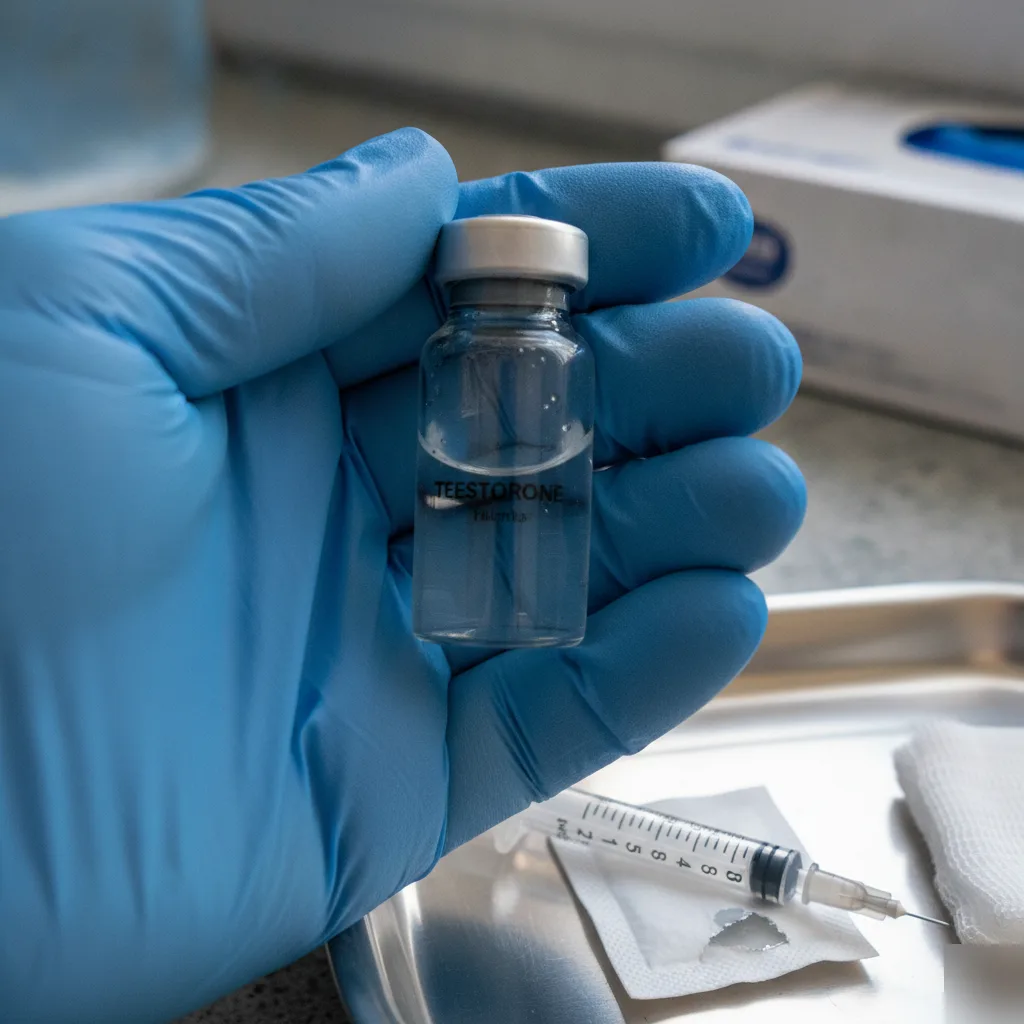
Physician-Supervised Hormone Therapy at SvelteMD's East Orlando Clinic
Your physician reviews your labs, your symptoms, and your full health picture before anything gets prescribed. That is not a formality; it is the difference between guessing and knowing.
We see men walk in after months of trying over-the-counter testosterone boosters they found online. Nothing changed, because the problem was not effort. It was that nobody checked their bloodwork first. Hormone therapy for men only works when it is built on real data, not marketing claims on a supplement label.
Our East Orlando men’s testosterone and hormone clinic sits in one of the fastest-growing corridors in the metro area, where long commutes along the 417 and demanding work schedules leave men running on fumes. They often blame stress, and sometimes it is stress. But when fatigue stacks on top of poor sleep, low drive, and muscle loss that will not reverse no matter how often you hit the gym that pattern points somewhere specific.
Here is what physician supervision looks like at our clinic:
- You complete a full health intake covering medications, history, and current symptoms.
- We run detailed lab panels measuring free and total testosterone, thyroid markers, metabolic indicators, and other hormones affecting your daily well-being.
- Your physician reviews every result with you in person, not through a patient portal message.
- A treatment plan gets built around your numbers and your goals, whether that involves bioidentical hormone replacement therapy or Biote pellet therapy.
- Follow-up labs and check-ins happen on a set schedule so dosing stays dialed in.
That last step matters more than most men realize. Hormones shift over time; what works at month two might need adjusting at month five. Without ongoing monitoring, you are flying blind.
Because we integrate hormone optimization with weight management under one roof, your doctor sees the full picture. Belly fat drives estrogen conversion in men, and insulin resistance tanks testosterone. These systems do not operate in isolation; your care should not either. As a Biote-certified provider, we use hormone pellet therapy backed by published dosing research rather than a one-size-fits-all protocol. If you have been wondering whether what you are feeling is just “getting older” or something treatable, a conversation with our team is a good place to start.
What to Expect From Consultation to Ongoing Treatment
Your first visit starts with bloodwork. That is non-negotiable.
We check total testosterone, free testosterone, estradiol, SHBG, PSA, a complete metabolic panel, and thyroid markers. Without those numbers, any treatment plan is just guessing. Your physician reviews your results personally, not a nurse practitioner working off a script. We sit down with you, go through every value, and explain what is happening inside your body right now. Most men tell us they have never had their labs explained this clearly before.
Once we have your levels, we build a plan around your specific situation. Some men need testosterone optimization, while others have thyroid issues driving their fatigue. Some need hormone support combined with metabolic work to get real results. East Orlando’s year-round heat and humidity mean men here tend to be more active outdoors, so we factor lifestyle demands into dosing and timing. You are not getting a cookie-cutter protocol.
If bioidentical hormone replacement therapy is right for you, we will discuss delivery methods. Biote pellet therapy is one option we offer as a certified Biote provider. Pellets are inserted in an in-office procedure, typically near the hip. The whole thing takes about ten minutes, and most men go right back to their day.
The real difference is what happens after that first appointment. We monitor your bloodwork at regular intervals, and adjustments happen based on data, not guesswork. Your follow-up labs tell us whether dosing needs to shift up, down, or stay put. We also track how you feel, because numbers on a page do not mean much if you are still dragging through your afternoons.
Ongoing treatment is not a set-it-and-forget-it situation. Hormone levels change with stress, sleep patterns, body composition, and seasonal shifts. We stay on top of those changes so your protocol stays dialed in. Coaches provide weekly goals around food, movement, sleep, and stress management because hormones do not exist in a vacuum. If you are ready to find out what is going on with your levels, give us a call to schedule your bloodwork.

Safety Monitoring and Long-Term Follow-Up Care
Starting hormone therapy is one thing. Staying safe on it for years is another thing entirely.
We see men come in from other clinics where they received a prescription and a handshake, perhaps with a follow-up call six months later. That is not how this works. Hormone therapy for men requires ongoing lab monitoring, dose adjustments, and honest conversations about how you are feeling. Not just once, but every time.
Your first set of labs happens before treatment begins. We need a full picture of where your testosterone sits, but also your hematocrit, PSA, liver function, lipid panel, and metabolic markers. These are not optional extras. They are the baseline for all subsequent monitoring. East Orlando’s year-round heat and humidity can affect hydration and blood viscosity, so we pay close attention to hematocrit levels. Elevated red blood cell counts are one of the most common safety flags in testosterone therapy.
Follow-up labs typically happen at regular intervals after your initial treatment. Here is what we are watching for:
- Hematocrit and hemoglobin levels to catch polycythemia early
- PSA trends over time rather than single readings
- Estradiol levels. Testosterone can convert to estrogen and cause new problems.
- Metabolic markers like fasting glucose and A1C
But labs are only part of it. Your physician reviews your results and sits with you. We talk about sleep quality, mood shifts, energy patterns, libido changes. Sometimes a small dose adjustment fixes what a patient thought was just “getting older again.” The physician-supervised model matters here because a nurse practitioner or algorithm cannot read between the lines the way a doctor who knows your history can.
If something looks off, we do not wait; we adjust it right then. That is the difference between monitoring and managing your care. Long-term follow-up is not a formality at our clinics across the Orlando area, it is the part that keeps hormone therapy safe and effective for years, not just months.
Book Your Consultation
Frequently Asked Questions
What happens during my first visit to your East Orlando clinic?
Your first visit starts with a full health intake and a physical exam. We ask about your symptoms, medications, and family history before drawing any blood. Then we run detailed lab panels checking free and total testosterone, thyroid markers, and metabolic health. You will not get a treatment plan on day one. Your physician reviews your results with you in person at a follow-up visit, so nothing gets prescribed based on guesswork.
How soon will I feel results after starting hormone therapy?
Most men notice changes in energy and mood within the first few weeks, with fuller results building over two to three months. Muscle mass and body composition changes take longer, often three to six months of consistent treatment. Your physician checks follow-up labs on a set schedule to keep dosing dialed in. If your numbers or symptoms are not moving in the right direction, your plan gets adjusted rather than left on autopilot.
Do I need to prepare for my lab test in Orlando’s heat and humidity?
Yes, staying well hydrated matters more here than in cooler climates. Central Florida’s heat can affect blood draws and some hormone readings if you show up dehydrated after a long commute along the 417. We recommend drinking water the morning of your appointment and avoiding heavy workouts right before your blood draw. A fasting lab panel also gives your physician a cleaner read on glucose and metabolic markers alongside your testosterone levels.
How do I know if I need testosterone therapy or if something else is causing my symptoms?
The only way to know for sure is a full lab panel, not just your symptoms alone. Fatigue, brain fog, and mood changes can also come from thyroid problems, poor sleep, or vitamin D deficiency. We see men in our Lake Nona and Dr. Phillips locations whose testosterone comes back normal even though they feel run down. Your physician rules out these other causes first, so you are not treating the wrong problem.
What lab tests are used to diagnose low testosterone?
We run panels measuring free and total testosterone, along with thyroid function, metabolic markers, and other related hormones. A single number is not enough on its own. The American Urological Association sets 300 ng/dL as a general threshold, but we see men at 320 who feel terrible and men at 350 who feel fine. Your physician weighs your full lab picture against your symptoms and health history before recommending any treatment.