
Home » Does the Orlando Heat or an Active Lifestyle Affect How BioTE Pellets Work?
Does the Orlando Heat or an Active Lifestyle Affect How BioTE Pellets Work?
How BioTE Pellets Release Hormones
BioTE pellets sit under your skin and release hormones slowly through your bloodstream, not all at once. Blood flow drives this process, so anything that changes circulation, like heat or exercise, can speed up or slow down how fast hormones reach your system. Does the Orlando heat or an active lifestyle affect how BioTE bioidentical hormone optimization work? The short answer is yes, but usually in small, manageable ways.
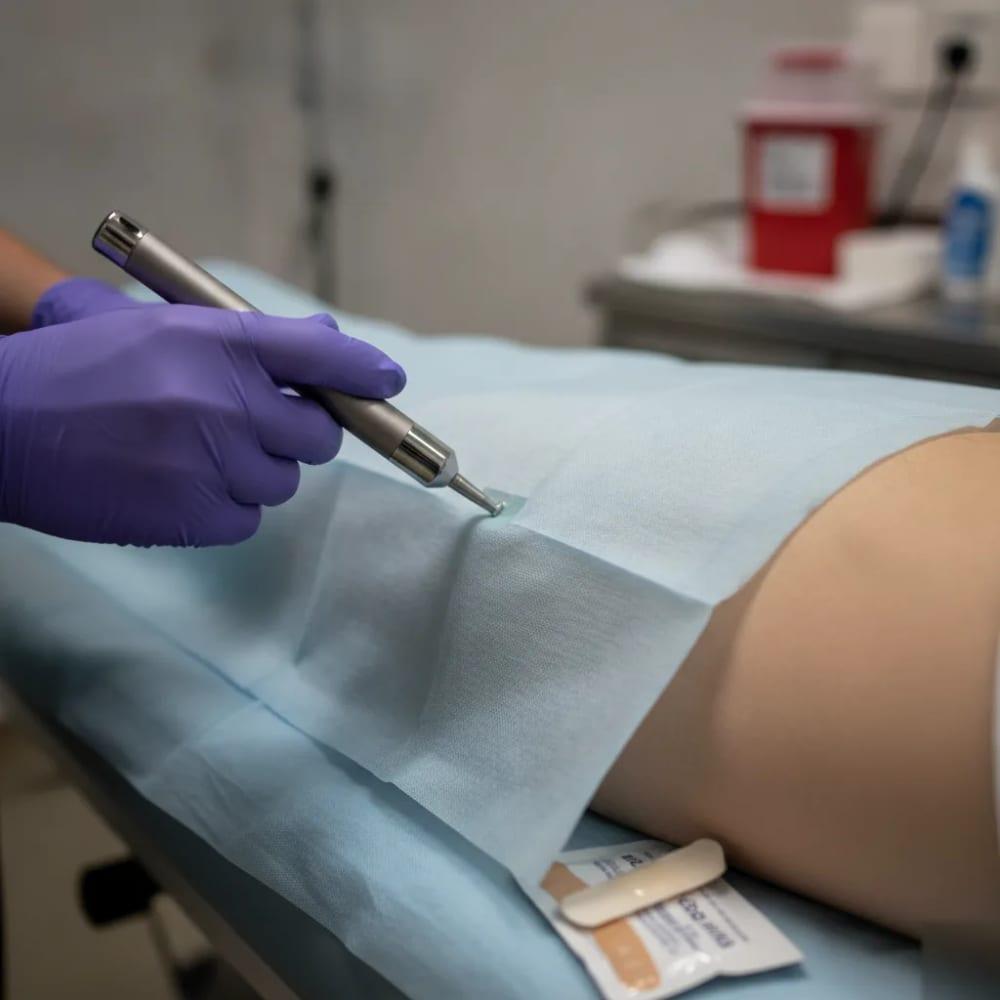
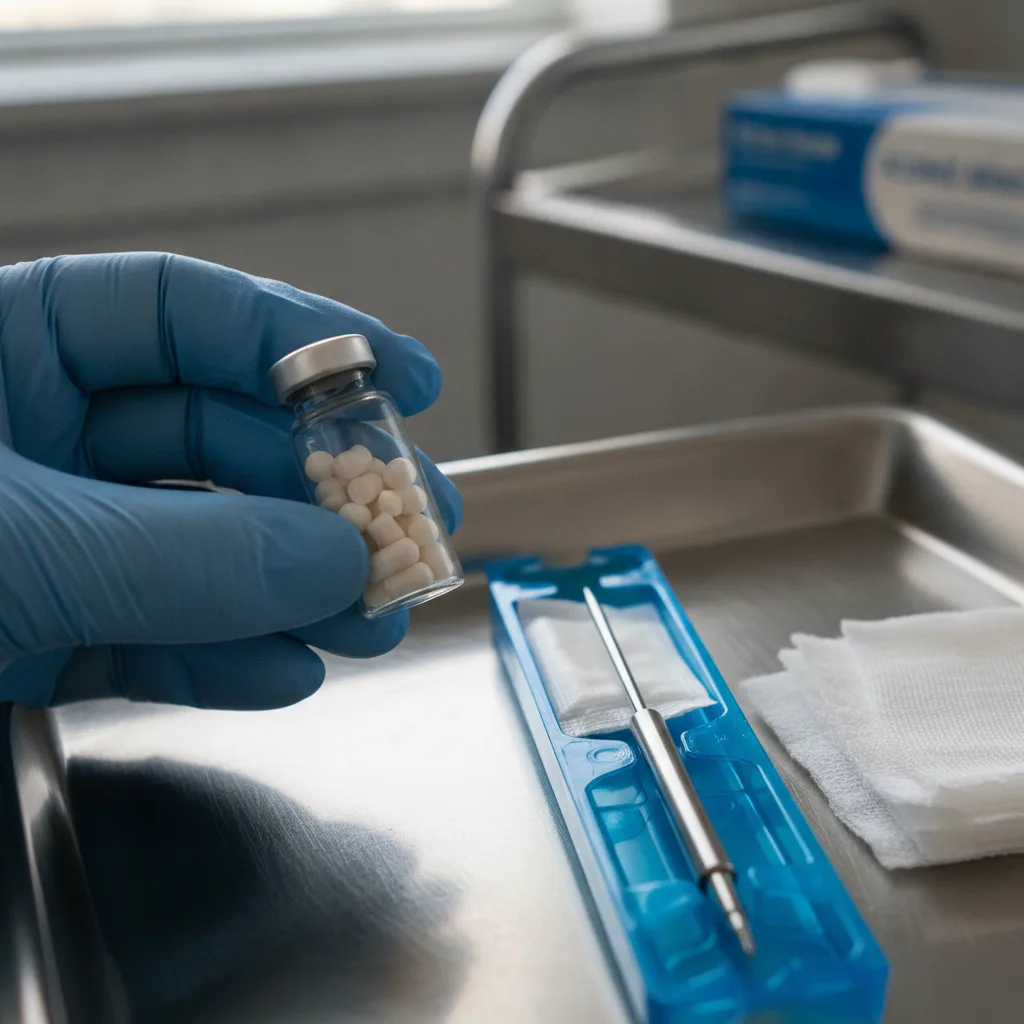
BioTE pellets are tiny, about the size of a grain of rice. A provider places them under the skin, usually in the hip area, during a quick in-office procedure. Once inserted, the pellet doesn’t dissolve right away. It releases hormones little by little as your blood vessels pass by and pick up small amounts.
This is called sustained release. It’s different from a pill or a cream. A pill spikes your hormone levels fast, then drops off. Pellets aim for something steadier, more like your body’s natural rhythm before hormone decline started.
Blood flow is the real driver here. More blood moving through the tissue near the pellet means more hormone gets picked up and delivered. Less blood flow means a slower release. This single fact explains almost everything about why activity and weather matter.
- Blood flow near the pellet site controls release speed, not the pellet itself changing shape
- Body temperature rises during exercise or heat exposure, which can widen blood vessels temporarily
- Wider blood vessels near the insertion site may allow a bit more hormone to circulate for a short window
- Hydration level affects blood volume and circulation efficiency
- Body fat percentage plays a role too, since hormones can bind to fat tissue on their way into the bloodstream
So does sweating through a hot Orlando afternoon push out more hormone than your body needs? Not really. The changes are subtle, and your body has natural buffers. We’ve reviewed lab work on plenty of active patients here in Central Florida, and most stay well within their target range even during peak summer months.
One thing we tell every new patient during their consult, insulin stability and hormone stability aren’t the same conversation, but they follow a similar rule. Your body likes steady inputs, not sudden swings. That’s the whole design behind pellet therapy in the first place.
Why Heat and Sweat Don't Melt or Flush Out Your Pellets
Let’s clear up the biggest myth first. Patients ask us all the time if a hot yoga class or a run along Lake Eola in July will melt their pellets. It won’t. Your BioTE pellets sit under the skin, usually in the hip or upper buttock, well below the sweat glands and skin surface. Sweat is produced at the skin’s surface to cool your body down. Your pellets live in the subcutaneous fat layer, several millimeters deeper than any sweat gland. There’s no physical pathway for perspiration to reach them, let alone wash them away.
Your body also doesn’t let internal temperature swing much no matter how hot Orlando gets outside. Core body temperature stays remarkably steady, generally within a degree or two of 98.6°F, even during intense exercise or a 95-degree afternoon in Baldwin Park (source: general physiology, National Institutes of Health). Pellets are designed to dissolve based on blood flow and tissue absorption, not ambient heat. So a workout in August doesn’t create some internal furnace that speeds up melting. That idea sounds logical on the surface, but it doesn’t match how your circulatory system works.
Here’s what does change with heat and activity, and it’s worth understanding the difference.
- Blood flow to muscles and skin increases during exercise, which can slightly speed up how fast your body metabolizes the hormone released from the pellet, not the pellet itself
- Dehydration from heavy sweating can concentrate your blood, sometimes making symptoms like fatigue or low libido feel worse temporarily even if hormone levels are stable
- Frequent hot showers or soaking in a pool right after insertion can slow healing at the incision site, but this is a wound-care issue, not a pellet-dissolving issue
- Consistent high-intensity training increases overall hormone demand in some patients, which is a metabolic factor we track through labs, not a heat effect
We’ve had marathon trainers and CrossFit regulars come in convinced their pellets ‘burned off early’ after a brutal Florida summer. Every time, the labs told a different story. Their levels were tracking normally for their insertion timeline. What they were noticing was increased hormone use from higher activity levels, which is a completely different mechanism than heat destroying the pellet. That’s an important distinction, and it’s why we don’t guess. We test.
So does an active lifestyle matter at all? A little, but not the way most people assume. If you train hard five or six days a week, your body may use testosterone faster for muscle repair and recovery. That can shorten how long you feel peak benefits before your next follow-up. It’s not the pellet failing. It’s your metabolism working harder. Our clinical team factors this into your dosing plan when we review your our main service page during your consultation, adjusting pellet count based on your activity level, weight, and lab results rather than a one-size-fits-all number.
Bottom line: Orlando heat isn’t dissolving anything early.
How an Active Lifestyle Changes the Way Your Body Uses Hormones
Your muscles are hungry for hormones. The more active you are, the faster your body clears testosterone and estrogen from your bloodstream. Runners along the West Orange Trail and cyclists training in Winter Garden often burn through hormone reserves quicker than someone with a sedentary desk job. This isn’t a bad thing. It’s just biology, and it’s something we account for at the start of your treatment plan.
Exercise increases blood flow to muscle tissue. More blood flow means hormones get pulled out of circulation and used up faster. Weightlifting, in particular, drives testosterone toward muscle repair and growth. So if you’re hitting the gym four or five times a week, your body may process pellet-released hormones on a different timeline than a patient who walks the dog twice a day.
- Strength training increases hormone receptor activity in muscle tissue, pulling testosterone and estrogen out of the blood faster
- Endurance activities like running or cycling raise metabolic rate, which can shorten how long pellet levels stay elevated
- High training volume without enough recovery can lower baseline hormone production, affecting how pellets perform between doses
- Sweat loss from intense outdoor workouts does not remove hormone from pellets, but dehydration can affect how you feel during treatment
We track this with lab work, not guesswork. A patient training for a half marathon in Baldwin Park needs a different follow-up schedule than someone doing light yoga at home. Labs tell us how your body is using the hormone, not just how much was implanted.
Here’s a real pattern we see often. An active patient feels great for the first ten to twelve weeks, then notices energy dipping earlier than expected. That’s usually a sign their training load is burning through hormone faster than a less active person would. It’s not a failed treatment, it’s a dosing conversation.
This is exactly why pellet dosing isn’t one-size-fits-all.
An athlete training six days a week and a retiree walking around Lake Baldwin twice a week will likely need different pellet strengths and different re-insertion timelines. Age, muscle mass, and activity level all factor into the math. And this is where working with a physician who reviews your labs, not a clinic running everyone through the same protocol, makes a real difference.
Book Your Consultation
Frequently Asked Questions
Can hot yoga or sweating melt my BioTE pellets in Orlando’s heat?
No, sweat and heat cannot melt your BioTE pellets. Your pellets sit deep under the skin, well below your sweat glands, so sweat has no path to reach them. Your body also keeps its core temperature steady, even during a hot Florida workout. What changes with heat is blood flow, which can slightly speed up how your body uses the hormone already released. The pellet itself stays put and dissolves on its own schedule, not because of the weather outside.
Does Orlando’s climate affect BioTE pellets differently than cooler cities?
Yes, but only in small ways tied to blood flow, not the pellets themselves. Warm weather like Orlando summers can widen blood vessels a bit, letting slightly more hormone circulate for a short time. This effect is minor and your body has natural buffers to keep levels steady. We track this through lab work for patients across Central Florida, and most stay within their target range even during peak heat months. Learn more about how BioTE therapy adjusts to your lifestyle on our main service page.
Should I change my workout routine after getting pellets inserted?
You don’t need to stop exercising, but light activity is best for the first few days. Give the insertion site time to heal before jumping into intense training or hot showers right away. After that, your normal routine, including runs on the West Orange Trail or rides through Winter Garden, is fine. Just know that heavy training can increase how fast your body uses hormones over time, which your provider factors into your dosing plan.
Why do active people sometimes feel their pellets wore off early?
This usually isn’t the pellet failing, it’s your body using hormones faster due to exercise. People who train hard five or six days a week often clear testosterone and estrogen quicker for muscle repair. That can shorten how long you feel peak benefits before your next check-in. Lab work almost always shows normal hormone tracking for the insertion timeline, even when patients feel like something changed early. It’s a metabolism issue, not a pellet problem.
How do I know if my hormone levels are dropping too fast from an active lifestyle?
The only real way to know is through lab testing, not guessing based on how you feel. Symptoms like fatigue can also come from dehydration or heavy sweating, which can mimic low hormone levels even when your labs are normal. Runners, cyclists, and gym regulars in Orlando often assume heat or activity is draining their pellets early. Regular lab checks let your provider adjust your plan based on real data, not assumptions about weather or workouts.
Ready for a Svelte transformation?
Take the first step toward better health and metabolic stability today.
Our team is here to support you.