
Home » Comprehensive Men’s Hormone Panel in Lake Mary | Svelte Medical Weight Loss – Lake Mary
Comprehensive Men's Hormone Panel in Lake Mary | Svelte Medical Weight Loss - Lake Mary
What a Men's Hormone PanelActually Tests

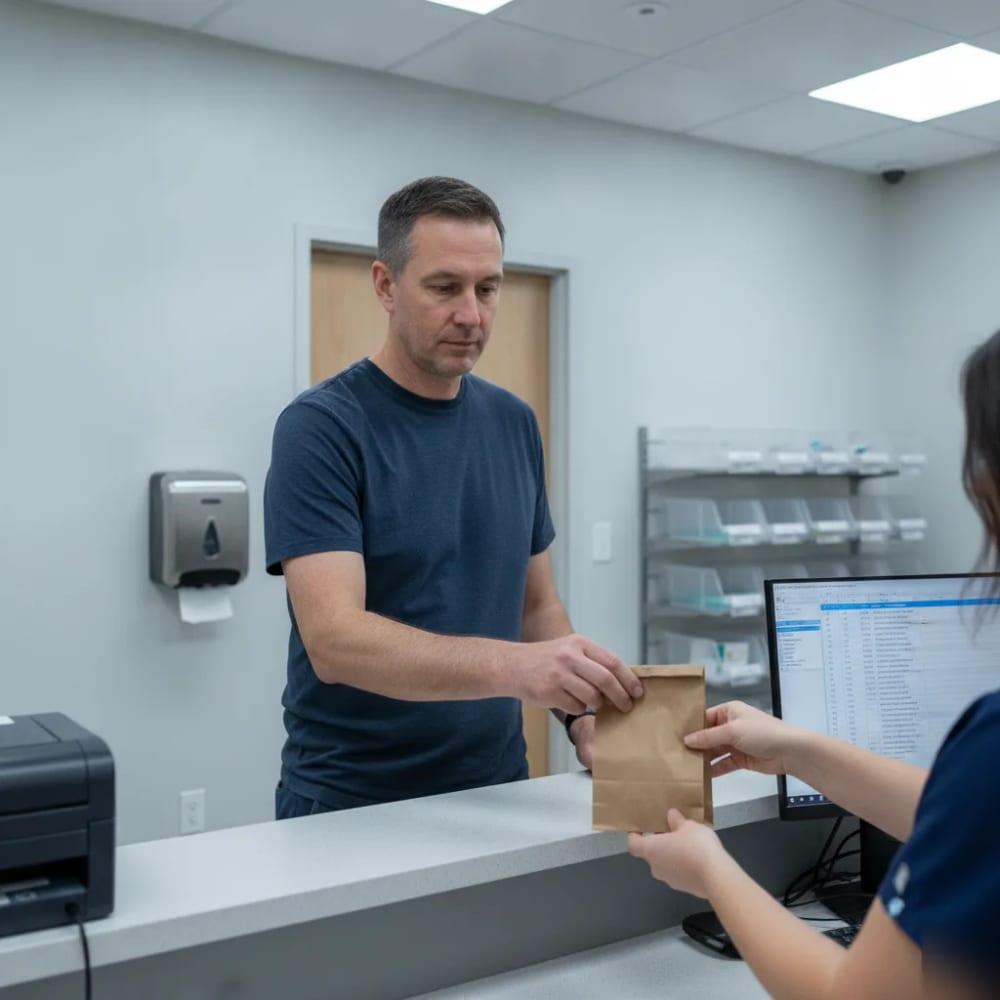
Most guys who walk into our Lake Mary clinic expect us to check testosterone and call it a day. That’s not how we approach things. A men’s hormone panel covers a full set of markers because testosterone alone doesn’t tell the whole story.
Consider this: your total testosterone level might look fine on paper. But your free testosterone could be low. Your estrogen might also be running high. Without testing all the connected markers, you are guessing. We see this situation constantly.
The Core Markers We Draw
Here’s what a men’s hormone panel typically includes:
- Total and free testosterone to measure what’s circulating and what’s actually available for your body to use
- Estradiol (E2) because men produce estrogen too. Elevated levels can cause fatigue, water retention, and mood changes.
- SHBG (sex hormone-binding globulin) which binds to testosterone. This can make your total number misleading.
- DHEA-S to evaluate adrenal function and another key androgen precursor
- Thyroid panel (TSH, free T3, free T4) since thyroid issues mimic low testosterone symptoms almost exactly
- PSA as a baseline prostate health screening before any treatment decisions
We also check metabolic markers like fasting insulin and a lipid panel. Hormone imbalances do not exist in a vacuum. They affect your cardiovascular health and blood sugar regulation. According to the Endocrine Society, evaluating multiple axes of the endocrine system gives a far more accurate clinical picture than isolated testosterone testing.
Not sure if you need all of these? That’s common. Most men near the Heathrow area or around Colonial Town Park come in thinking they just need “a testosterone check.” But once they see the full results side by side, the bigger picture becomes clear fast.
That bigger picture is exactly what lets our medical team build a plan that truly works for you. There is no guessing. We do not treat a number on a page without context.
Symptoms That Signal It's Time to Stop Guessing
You’re tired. Not regular tired. This is the kind where eight hours of sleep doesn’t fix anything. You drag through the afternoon, skip the gym, and wonder when everything started feeling so heavy.
That’s the story we hear almost every day from men walking into our Lake Mary clinic. Most of them have been dealing with it for months, sometimes years, before they finally decide to get a men’s hormone panel.
The tricky part is that low testosterone and hormone imbalances do not show up the same way in every guy. Some men notice it in the bedroom first. Others feel it at work, where focus and drive simply disappear. Here are the symptoms that come up most often:
- Persistent fatigue that doesn’t improve with rest or caffeine
- Low libido or difficulty maintaining erections
- Brain fog, poor concentration, or memory that feels “off”
- Unexplained weight gain, especially around the midsection
- Mood changes like irritability, anxiety, or a flat emotional state
A man will often mention two or three of these together. That pattern holds significance. One symptom on its own could be stress or poor sleep. But when these symptoms stack up, your body is telling you something specific about your hormones.
So why guess? A lot of men near the Heathrow area tell us they assumed it was just aging. They figured every guy in his 40s or 50s felt this way. That is not true. According to the American Urological Association, testosterone levels below 300 ng/dL are clinically low. Symptoms can start well before you hit that number.
The frustrating part is that a standard physical usually will not catch this. Your annual bloodwork might check cholesterol and blood sugar. However, it rarely includes free testosterone, DHEA, or estradiol. Those markers matter. Without them, you are working with incomplete information, and your doctor might attribute everything to stress.
You don’t have to keep wondering what’s wrong. The answers are in your blood.

How to Prepare for the MostAccurate Results
We get this question almost every day. “Do I need to do anything before my blood draw?” Yes. A few simple steps make a real difference in how reliable your results are.
Your hormone levels shift throughout the day. Testosterone peaks in the early morning and drops as the afternoon goes on. That’s why we schedule fasting blood draws before 10 a.m. at our Lake Mary clinic. It gives us the clearest snapshot of what your body is actually doing.
Steps to Follow Before Your Appointment
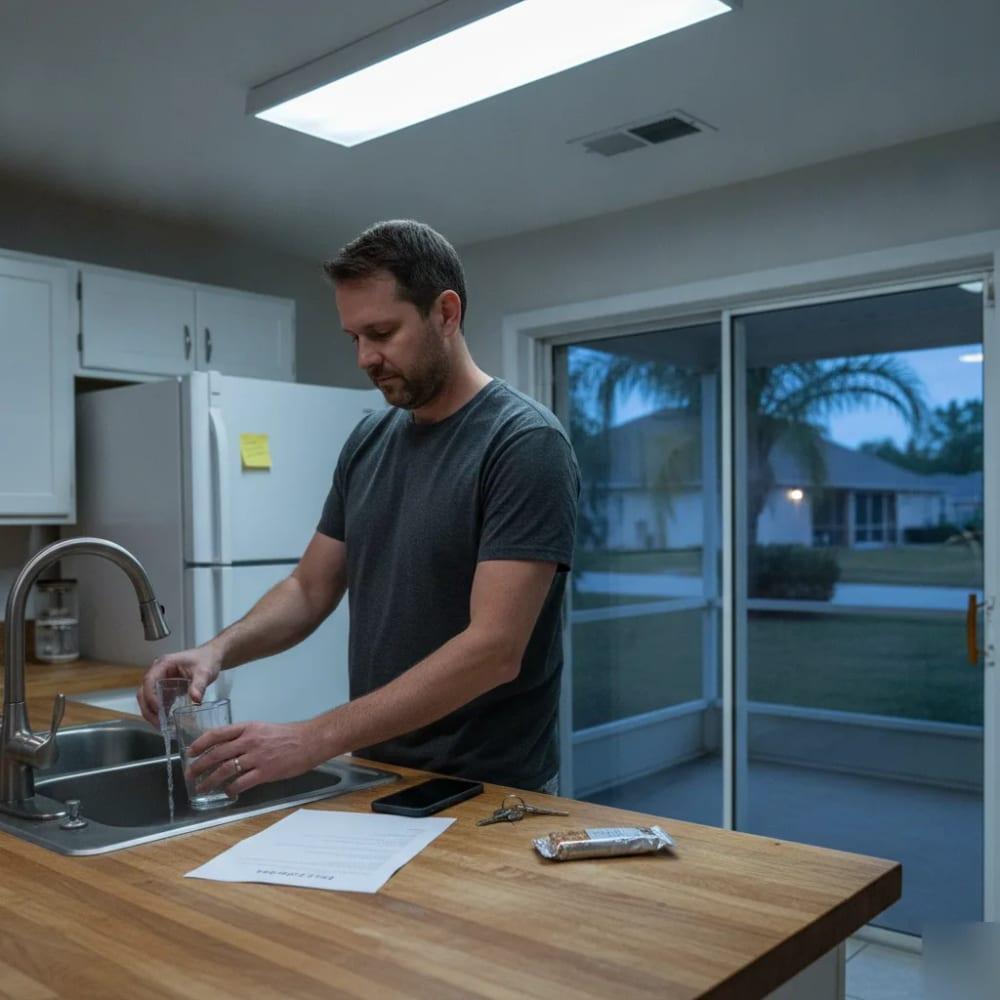
- Fast for 10 to 12 hours before your draw. Water is fine. Coffee is not.
- Avoid intense exercise the evening before. A hard gym session can temporarily spike cortisol and throw off your baseline.
- Get a normal night of sleep. Poor sleep alone can lower testosterone readings by 10 to 15 percent, according to the Endocrine Society.
- Hold off on biotin supplements for at least 72 hours. Biotin interferes with certain lab assays and can produce misleading numbers.
- Write down every medication and supplement you currently take. Bring the list with you.
Most of the guys who come in with inaccurate results did not fast properly or worked out that morning. Small details matter when we are measuring hormones in nanograms per deciliter.
If you are on any existing hormone therapy or testosterone replacement, do not skip your dose unless our medical team tells you to. We want to see your levels under real conditions, not artificial ones.
Here’s something a lot of men near the Colonial Town Park area ask about. “Can stress affect my results?” Absolutely. Chronic stress raises cortisol. This can suppress testosterone production. We account for that when reading your panel, but showing up as relaxed as possible still helps.
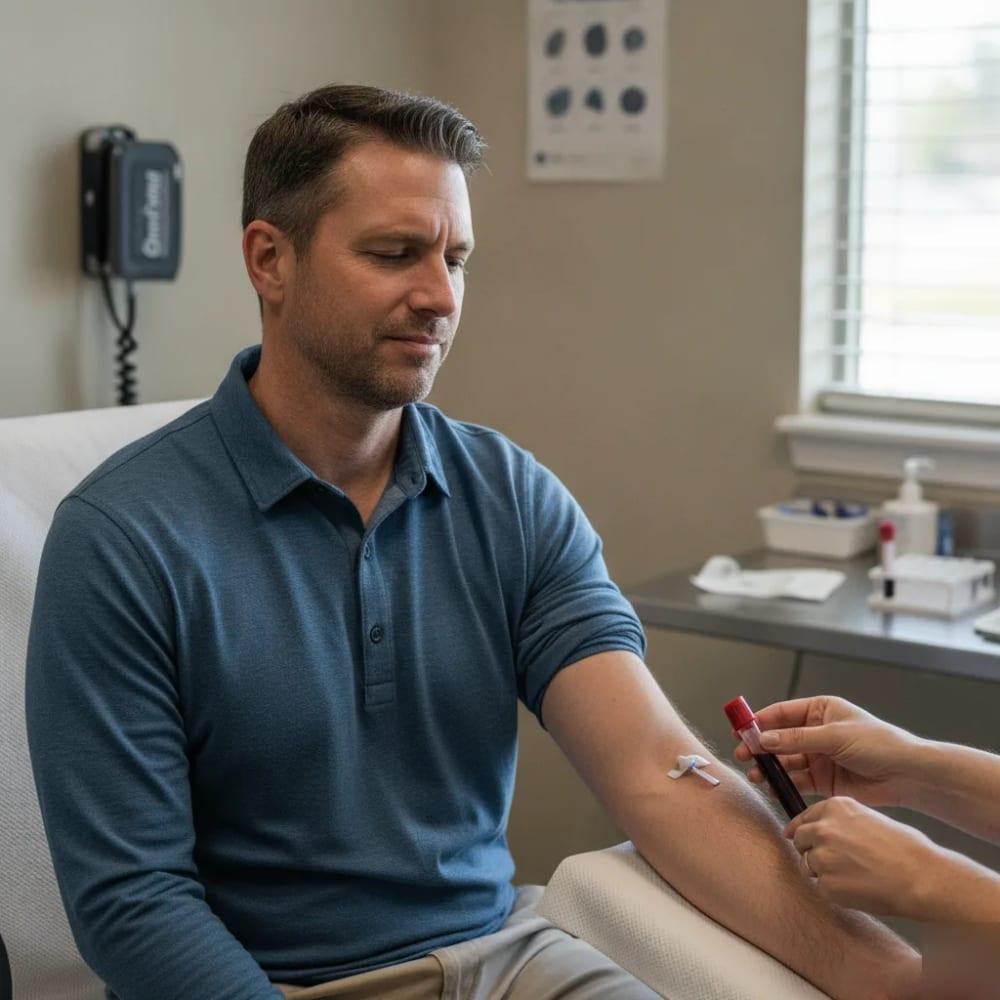
You do not need to overthink this. Just follow those steps, show up on time, and let us handle the rest. The blood draw itself takes about five minutes. Most guys tell us it is the easiest part of the whole process.
The 'Normal Range' Problem andWhat Actually Means
Here’s something we tell guys in Lake Mary almost every day. Your lab results can come back “normal” and you can still feel terrible.
That is not a contradiction. It is a flaw in how most labs report results.
Standard reference ranges for testosterone, for example, typically span from about 264 to 916 ng/dL. This is a massive window. A 45-year-old man sitting at 280 technically falls inside the normal range. But he is dragging through his afternoons, losing muscle he used to keep easily, and wondering why his motivation disappeared. His doctor glances at the number, sees it is “in range,” and sends him home.
We hear this story constantly. Guys come in frustrated because they have already been told nothing is wrong. Something is wrong. It just does not show up when you are only checking whether a number clears the lowest possible bar.
What We Mean by Optimal
Optimal is not a marketing word for us. It is a clinical target. Instead of asking “is this number technically acceptable,” we ask where your levels need to be for you to actually feel good, sleep well, recover from workouts, and think clearly. Those are different questions. They lead to different answers. According to the Endocrine Society, symptoms of low testosterone can appear well within the standard reference range. This is exactly why we do not stop at one number on a page. For a broader look at men’s hormone therapy benefits risks, the Mayo Clinic offers a thorough overview of what the research says about treatment considerations and safety.
A men’s hormone panel done right looks at the full picture:
- Total and free testosterone levels together, not just one
- Estradiol, because elevated estrogen in men causes real problems
- SHBG, which can bind up testosterone. This makes your total number meaningless.
- DHEA-S and cortisol to check adrenal function
Each of these markers tells us something the others cannot. When we read them as a group, patterns show up fast. A man near the Heathrow area came in last month with “normal” total testosterone but sky-high SHBG. His free testosterone was almost nonexistent. No wonder he felt off.
You deserve more than a pass/fail grade on your bloodwork. You deserve context.
What Happens After Your PanelResults Come In
This is where the real conversation starts. Your blood work is back. The numbers are in front of us. Now we sit down together to figure out what they actually mean for you.
We do not just hand you a printout and send you on your way. That is not how we do things at our Lake Mary clinic. Every result gets reviewed by a physician who understands male hormone health. We look at the full picture, not just one number in isolation. Your testosterone might look fine on paper. But if your free testosterone is low and your SHBG is high, that changes everything. We see that pattern come up again and again.
Your Review Appointment
During your results consultation, we walk through each marker on your panel. Here is what that looks like:
- We review your total and free testosterone alongside SHBG and albumin levels to see how much testosterone your body can actually use.
- We check thyroid markers, cortisol, and metabolic indicators that can mimic or worsen low testosterone symptoms.
- We compare your results against your reported symptoms, because lab ranges and real-life experience do not always line up.
- We discuss potential treatment paths if your levels call for intervention.
Not every man who gets a panel needs treatment. Some guys find out their fatigue is tied to a thyroid issue or a vitamin D deficiency. Others discover their testosterone has dropped enough to explain months of brain fog, low drive, and poor recovery after workouts. The panel tells us which direction to go.
If treatment does make sense, we do not rush it. We talk through options, explain what to expect in the first few weeks, and set a follow-up schedule so we can track your progress. Men near the Heathrow area and throughout Lake Mary come back to us because we treat this like a partnership, not a prescription mill.
Wondering what your numbers might reveal? As a men’s health physician near Lake Mary, we are here to go through it together. Schedule a consultation and let’s get started.
The goal is simple. Get you clear answers. Then we build a plan that fits your life. Your results are just the starting point. What we do with them is what matters.
Book Your Consultation
Frequently Asked Questions
How long does it take to get my results after the blood draw in Lake Mary?
Most men get their results back within 2 to 3 business days at our Lake Mary clinic. Once your panel is complete, a medical provider reviews every marker together — not just testosterone. We do not hand you a printout and send you home. We walk through what each number means for you specifically, so you leave with a clear picture and a real next step.
Why does my regular doctor’s bloodwork keep coming back normal if I still feel terrible?
Standard annual bloodwork almost never includes free testosterone, DHEA-S, or estradiol. Your doctor may check total testosterone, but that number alone can look fine while your free testosterone is actually low. SHBG binds testosterone and makes the total number misleading. Without the full panel, symptoms like fatigue, brain fog, and low libido often get blamed on stress or aging instead of a real hormonal issue.
Do I really need to fast before my hormone blood draw?
Yes — fasting for 10 to 12 hours before your draw makes a real difference in accuracy. Testosterone peaks in the early morning and drops throughout the day, so we schedule draws before 10 a.m. here in Lake Mary. Skipping the fast or working out that morning are the two most common reasons men get results that do not reflect what is actually happening in their body.
Can high stress levels in daily life affect what my hormone panel shows?
Absolutely. Chronic stress raises cortisol, which can directly suppress testosterone production. If you are going through a tough stretch at work or not sleeping well, your results may not reflect your true baseline. Our medical team accounts for this when reading your panel. Showing up rested and as relaxed as possible still helps you get the most accurate snapshot of where your hormones actually stand.
What should I bring to my first hormone panel appointment at your Lake Mary clinic?
Bring a written list of every medication and supplement you currently take. Biotin, in particular, can interfere with certain lab assays and produce misleading numbers — so stop taking it at least 72 hours before your draw. If you are already on any hormone therapy, do not skip your dose unless our team tells you to. We want to see your real levels, not an artificial picture created by skipping treatment.
Is a men’s hormone panel only for guys who suspect low testosterone?
Not at all. Many men near the Heathrow area come in thinking they just need a testosterone check, but the panel covers thyroid function, adrenal health, metabolic markers, and prostate screening too. Thyroid issues can mimic low testosterone almost exactly. Catching an imbalance in any of these areas early gives you a much better starting point for treatment than waiting until symptoms get worse.
Ready for a Svelte transformation?
Take the first step toward better health and metabolic stability today.
Our team is here to support you.