
Home » Can Supplements I Take Affect My Hormone Test Results?
Can Supplements I Take Affect My Hormone Test Results?
The Core Checklist: Items to Bring With You
Yes, some supplements can skew hormone test results, either by changing your real hormone levels or by confusing the lab test itself. One of the best-known culprits is biotin, a common ingredient in hair, skin, and nail vitamins. High doses of biotin can make thyroid, testosterone, and other hormone results read falsely high or falsely low. DHEA and over-the-counter testosterone boosters work differently: they can change the hormone levels your body actually has. Thyroid support blends may contain iodine, kelp, or even hidden thyroid hormone, which can shift thyroid numbers. The practical step is to list every supplement you take for your physician, including the dose, and ask whether you should pause any of them before your blood draw.
The FDA has warned both the public and doctors that biotin can cause wrong lab results, and that warning applies to many of the hormone tests ordered every day. If you’re preparing for hormone level testing for men or women, start by checking your labels for biotin, since it is the supplement most likely to produce a false reading rather than a real change.
In this guide:
- Which supplements can change hormone test results?
- How does biotin interfere with hormone blood tests?
- Can testosterone boosters and DHEA change your testosterone levels?
- Can thyroid supplements affect thyroid test results?
- Should you stop supplements before a hormone blood test?
- What else can throw off hormone lab results?
- What happens if a supplement skewed your results?
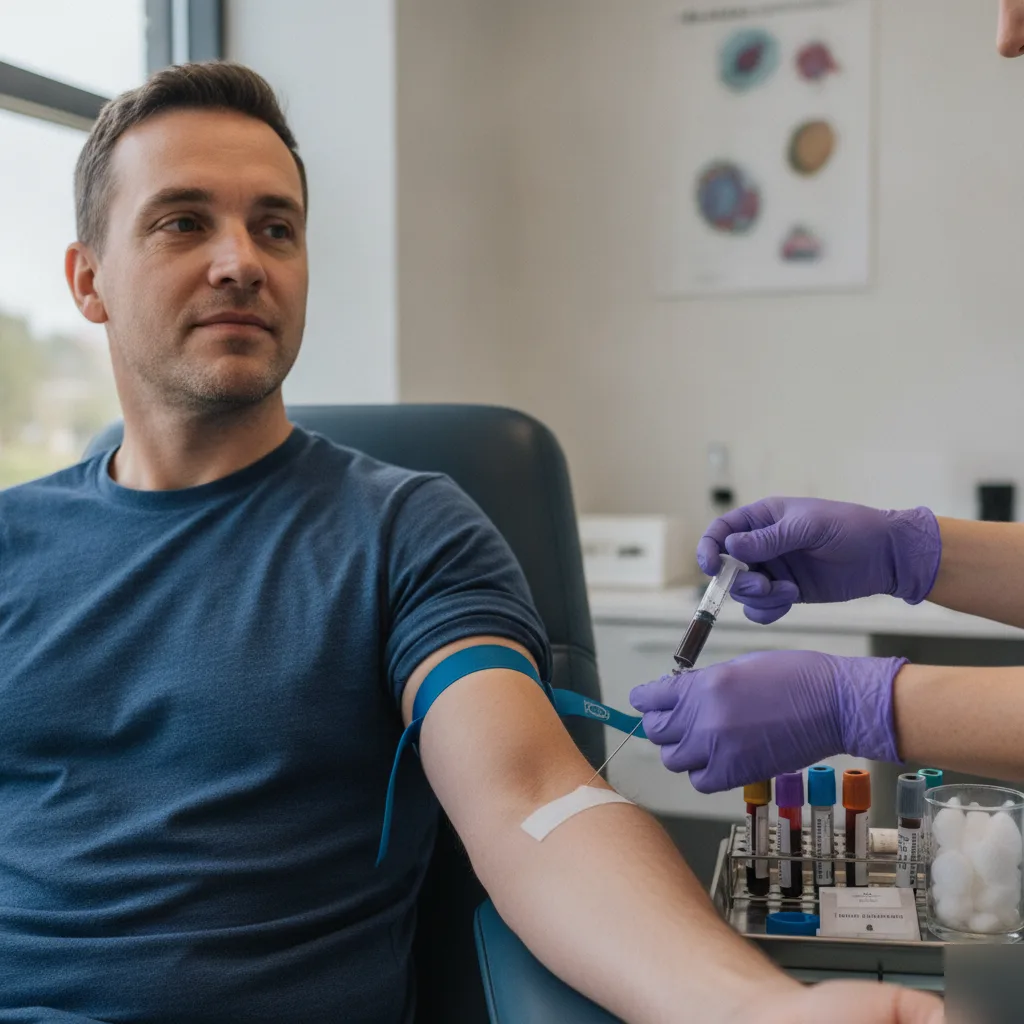
Which Supplements Can Change Hormone Test Results?
The supplements most likely to change hormone test results are biotin, DHEA, testosterone boosters, and thyroid support products, with herbs like ashwagandha and licorice root also playing a role.
These products cause trouble in two different ways. Some supplements change how much hormone your body actually makes or holds in the blood. Others leave your hormones alone but trick the lab machine into giving a wrong reading.
The difference matters because each problem misleads in its own way. A real change in hormone levels may call for a treatment decision, but only once you know whether the supplement caused it. A false reading can point toward the wrong diagnosis entirely, and treatment based on that diagnosis would be aimed at a problem you don’t have.
“Natural” doesn’t mean “lab neutral.” Supplements aren’t checked for accuracy and content the way prescription drugs are, so the label may not tell you everything in the bottle.
Supplement — What it can affect — How it interferes
Biotin (vitamin B7) — Thyroid tests, testosterone, estradiol, cortisol, other hormone immunoassays — Confuses the lab test, causing falsely high or low readings
DHEA — DHEA-S, testosterone, estradiol — Body converts it into hormones, raising real levels
Testosterone boosters — Testosterone, LH, FSH — Mixed effects on real levels; some contain hidden steroids
Thyroid support, kelp, or iodine — TSH, free T4, free T3 — Excess iodine shifts thyroid function; some glandular products contain thyroid hormone
Ashwagandha — Thyroid hormones, cortisol — May raise thyroid hormone and affect cortisol in some people
Licorice root — Cortisol and adrenal-related results — Changes how the body handles cortisol

How Does Biotin Interfere With Hormone Blood Tests?
How Does Biotin Interfere With Hormone Blood Tests?
Biotin interferes because many hormone tests use a biotin-based chemical step, so extra biotin in your blood can block that step and push results falsely high or falsely low.
Many hormone tests are immunoassays, which are lab tests that use antibodies to find and measure a specific hormone. Inside the analyzer, many of them use biotin as a kind of glue that holds the test pieces together. When your blood already carries a large amount of biotin from a supplement, that extra biotin competes with the glue and throws off the measurement.
The tests commonly affected include:
- Thyroid tests (TSH, free T4, and free T3)
- Testosterone
- Estradiol
- Cortisol
- Other hormone immunoassays
The direction of the error depends on how each test is built. Some tests read falsely low when biotin gets in the way, and others read falsely high. That’s why biotin can make one number look high and another look low on the same panel, and why the combined pattern can look like an actual disease. A panel skewed by biotin can resemble an overactive thyroid even when the thyroid is working normally.
Why Biotin Can Make Thyroid Results Look Wrong
High biotin can push TSH down and push free T4 and free T3 up, a pattern that looks just like an overactive thyroid.
This is a particular problem for women trying to sort out whether perimenopause or thyroid function is behind weight gain, fatigue, or other changes. Thyroid numbers guide treatment choices, so a biotin-driven pattern can steer the plan in the wrong direction.
A physician who reviews the whole panel alongside your symptoms is more likely to notice when the numbers don’t fit the person. If your labs suggest an overactive thyroid but you have none of the matching symptoms, that’s a reason to ask about supplements before acting.
How Much Biotin Is in Common Supplements
Hair, skin, and nail products often contain 5,000 to 10,000 mcg of biotin, far above the roughly 30 mcg most adults need each day.
Biotin also shows up where people don’t expect it, including multivitamins, B-complex pills, and prenatal vitamins. Check each label for “biotin” or “vitamin B7,” and bring the bottles or a clear photo of each label to your appointment so your physician can see the exact dose.
Can Testosterone Boosters and DHEA Change Your Testosterone Levels?
Yes, DHEA can raise testosterone and estrogen levels on a blood test, and some over-the-counter testosterone boosters can shift testosterone, LH, and FSH readings.
DHEA is a hormone building block that the body turns into testosterone and estrogen. When you take DHEA as a supplement, your DHEA-S (the stored form measured in blood), testosterone, and estradiol may all read higher. Those higher numbers are real, but they reflect the supplement, not your body’s own baseline.
Over-the-counter testosterone boosters are a mixed group. Common ingredients include:
- Zinc
- Fenugreek
- Tribulus
- D-aspartic acid
- Various herbal blends
Some of these may nudge real hormone levels, some may do little, and the combination in any given product is hard to predict.
For men, the concern is that a booster can mask low testosterone. If a supplement lifts a low number into a normal-looking range, the result may hide the real cause of fatigue, low drive, or body composition changes. A lab-confirmed low testosterone diagnosis depends on clean, accurate numbers, so before any decision about testosterone replacement therapy (TRT), your physician needs to know what your levels look like and what you were taking when the blood was drawn.
Can Some Supplements Contain Hidden Hormones?
Yes, the FDA has warned about some bodybuilding and “muscle” supplements that contained hidden steroids or steroid-like ingredients not listed on the label.
Hidden hormones can push testosterone numbers up or cause them to crash. They can also shut down LH and FSH, the signals from the brain that tell the body to make its own testosterone. A panel showing that pattern can look like a medical problem when the cause is a product in your gym bag.
Tell your physician about any pre-workout, muscle-building, or “male vitality” product you use, even if it seems minor.
Can Thyroid Supplements Affect Thyroid Test Results?
Yes, thyroid support supplements can change thyroid test results, especially products that contain iodine, kelp, or animal thyroid gland extract.
The thyroid uses iodine to make its hormones, but more isn’t better. Too much iodine can push thyroid function up or down, which changes TSH and T4. Kelp is a seaweed that can carry a large and variable iodine dose.
Glandular “thyroid support” products work differently. Some are made from dried animal thyroid gland, and testing of some of these products has found actual thyroid hormone inside. A product like that acts like an unlisted prescription, and it can change your thyroid numbers in the same way thyroid medicine would.
Two popular herbs belong on your list too. Ashwagandha, often taken for stress and sleep, may raise thyroid hormone levels in some people and may affect cortisol readings. Licorice root can change how the body handles cortisol, which may affect adrenal-related results, so mention it if your panel includes cortisol.
These products often appear in blends marketed for energy, metabolism, or weight. If you’re being evaluated for thyroid-linked weight gain, list every blend by name, because a single capsule can contain several of these ingredients at once.
Should You Stop Supplements Before a Hormone Blood Test?
Often yes, but only after you ask your physician, because the right pause depends on the supplement, the dose, and the test being ordered.
Biotin is the clearest case. Many labs advise stopping biotin at least 48 to 72 hours before a blood draw, and longer for very high doses.
Supplements that change real hormone levels, such as DHEA, are less simple. Your physician may ask for a longer pause so the numbers reflect your own baseline. In other cases, your physician may prefer to test while you keep taking the product, so the panel shows your real-life levels on your current routine.
Never stop prescription medicines on your own, including thyroid medicine and any hormone therapy. Changes to those medicines should only happen at your physician’s direction.
A short checklist before your appointment:
- List every supplement you take, with the dose.
- Ask your physician which ones to pause, and for how long.
- Write down the date you stopped each product.
- Confirm any fasting and time-of-day instructions for the draw.
How Long to Pause Before Your Test
There is no single rule, so follow the timeline your physician gives you for each product.
Biotin clears from the blood fairly fast. With hormone-active products such as DHEA, levels may take longer to settle back to your own baseline. The stop date you write down lets your physician read the results in the right context and judge whether a number reflects you or a product still leaving your system.
What Else Can Throw Off Hormone Lab Results?
Besides supplements, time of day, poor sleep, recent illness, hard workouts, and the timing of any hormone therapy can all change hormone test results.
Time of day. Testosterone runs highest in the morning and drops as the day goes on, which is why many physicians order early draws for testosterone testing. An afternoon sample can make a normal level look low.
Sleep and stress. Travel, late nights, and irregular schedules can affect cortisol and testosterone. That’s worth keeping in mind in Lake Mary, where many people work for corporate and professional employers along the International Parkway corridor and deal with frequent travel and client dinners. If you just returned from a trip or slept poorly, tell your physician before the draw.
Recent illness and hard workouts. A recent infection or an intense training session the day before can shift some hormone readings for a short time.
Hormone therapy timing. For people on testosterone injections, pellets, or other hormone therapy, the timing of the draw compared to the last dose changes the number. A level drawn right after a dose will look very different from one drawn just before the next.
Some panels also include metabolic markers such as glucose and triglycerides, and some of these tests may require fasting for an accurate result. Ask ahead so you know whether to skip breakfast.
What Happens If a Supplement Skewed Your Results?
If a supplement may have skewed your results, the usual next step is to pause the product as directed and repeat the test, rather than start or change treatment based on a doubtful number.
Lab reports flag numbers that fall outside a reference range, but a flag can’t tell whether a number fits the person. A physician reading the panel against your symptoms can spot results that don’t make sense for you, which is often the first clue that something other than your health, such as a supplement, is behind them.
If you’re new to Lake Mary and bringing lab results from a physician in another state, share both your past and current supplement lists. A change in products between tests can explain a change in numbers that might otherwise look like a new health problem.
At Svelte Medical Weight Loss Centers Lake Mary, hormone panels are reviewed by Dr. Richard Bragg, not just flagged by the lab. Dr. Bragg is board certified by the American Board of Family Physicians. Our male hormone panel covers testosterone, thyroid, and metabolic markers, and women’s hormonal evaluation is physician-led. We build each treatment plan from your labs, symptoms, and goals before anything is prescribed. A clean test, read against your symptoms and your supplement list, gives a far better basis for any decision about TRT, thyroid care, or BioTE bioidentical hormone optimization than a single number taken out of context.
Key Takeaways Before Your Next Hormone Test
Biotin is a well-known supplement that can cause false hormone results, and it hides in many everyday vitamins. DHEA, testosterone boosters, and thyroid support products can change real hormone levels, so your physician needs to know you take them. Always ask before pausing anything, and never stop a prescription on your own.
If you’re planning hormone level testing in Lake Mary, bring your full supplement list, with doses and stop dates, so Dr. Bragg can review your panel with the whole picture in mind.
Book Your Consultation
Frequently Asked Questions
What are the signs that my hormones might be out of balance?
Common signs include low energy, poor sleep, hot flashes, weight changes, and mood swings. Some people also notice hair thinning, brain fog, or changes in their cycle. No single sign proves a hormone problem on its own. That’s why we ask you to write down what you’ve noticed and when it started. These notes help your doctor connect your symptoms to your lab numbers. If several signs sound familiar, it’s worth booking a hormone testing appointment in Orlando to get clear answers.
When is the best time to check hormone levels if I’m in perimenopause?
The best time depends on whether your cycle is still regular. If you still have periods, FSH and estradiol are often checked early in your cycle, while progesterone is usually tested about a week before your next period starts. If your cycles have become unpredictable, that’s normal during perimenopause. Just write down the date your last period began and bring it to your appointment. Your doctor will use that date to choose the right testing window for accurate results.
Does Orlando’s heat and humidity affect my hormone test results?
Heat itself doesn’t change your hormone levels, but dehydration can make your blood draw harder and leave you feeling lightheaded. Orlando mornings warm up fast, even outside summer. Drinking water before you leave home keeps your veins easier to find and helps you feel steady afterward. If you’re fasting, plain water is still fine. Pack a small snack for right after your draw, especially if you’re heading back out into midday heat.
Is it a mistake to skip listing my vitamins and supplements before testing?
Yes, this is one of the most common mistakes we see. Many hair, nail, and energy supplements contain biotin, which the FDA has warned can interfere with certain lab tests, including some thyroid tests. People often leave these off their list because they seem harmless. Write down every supplement, not just prescription medicine, or bring the bottles with you. This small step can prevent a confusing or inaccurate result on your first panel.
Do I need to fast before every hormone test?
No, fasting rules depend on which hormones are on your lab order. Hormones like testosterone and cortisol care more about the time of day than food, so an early morning draw matters more. Thyroid tests usually don’t require fasting at all. Always follow the specific instructions given for your panel, since mixing up the rules can lead to a confusing result and a repeat visit.
What should I do if my symptoms don’t match my test results?
This happens more than you’d think, since one blood draw only shows a single moment in time. Your symptom notes give your doctor the bigger picture that a lab report alone can’t show. Bring details on when symptoms started and how often they happen. If your results and symptoms still don’t line up, your doctor may suggest a retest at a different time or cycle day. Being prepared with notes helps sort out these mismatches faster.
Ready for a Svelte transformation?
Take the first step toward better health and metabolic stability today.
Our team is here to support you.