
Home » Andropause Treatment in Lake Mary | Svelte Medical Weight Loss – Lake Mary
Andropause Treatment in Lake Mary | Svelte Medical Weight Loss - Lake Mary
Recognizing the Symptoms That BringMen In for Evaluation

Most men do not come in saying, “I think I have andropause.” They come in because something feels off, and they cannot pinpoint why. Perhaps they have been dragging through afternoons for months. Or they have lost interest in things that once mattered. We hear this story every week.
Symptoms often build slowly, which makes them hard to notice at first. A single bad week of sleep may not seem like much. But a pattern of six months with poor sleep, low drive, and brain fog points to a deeper issue. Here is what we most often see in men from Lake Mary when they schedule an initial evaluation:
- Persistent fatigue that does not improve with rest or caffeine
- Reduced libido or changes in sexual performance
- Irritability, mood swings, or a general sense of feeling flat
- Difficulty concentrating or remembering details
- Increased body fat around the midsection despite regular activity
Do these sound familiar? You are not imagining it. Many men experience similar issues.
We often see men in their late 40s or early 50s, often active individuals near the Timacuan area who always took care of themselves. They continue working out, eating reasonably well, but no longer see results. Muscle recovery takes a long time. Their energy crashes by 2 p.m. Their partners may even notice mood changes before they do. According to the Cleveland Clinic, testosterone levels in men can decline about one percent per year after age 30. By your mid-40s, this drop can be noticeable.
These symptoms overlap with stress, poor sleep, and many other conditions. This is why a proper evaluation is important. As a low T and men’s health specialist, we do not guess. We run labs, review your history, and look at the full picture before making recommendations. Not every man with fatigue has declining testosterone. But if he does, we aim to identify it early and address it with medical supervision.
Why Standard Bloodwork OftenMisses the Full Picture
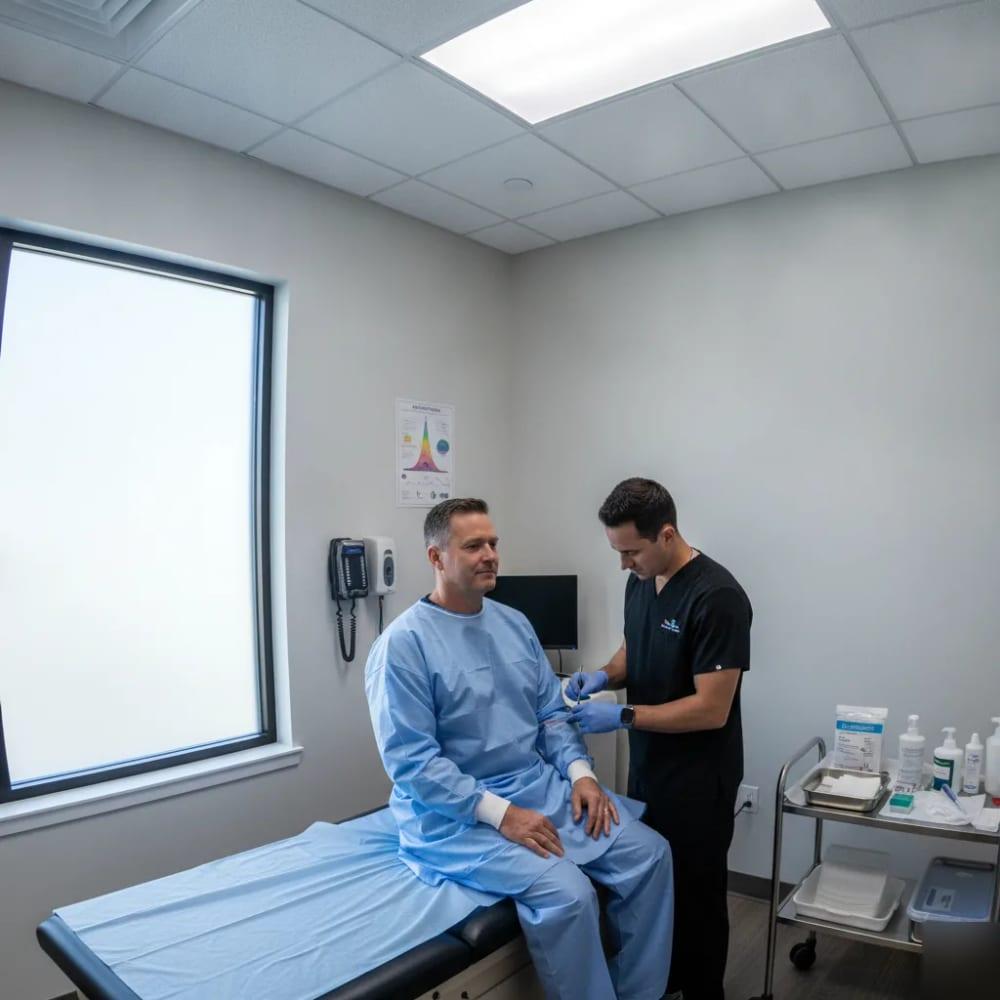
We often hear this in our Lake Mary clinic: “My doctor told me my labs look normal,” a man says, yet he still feels awful. He reports constant tiredness, no drive, and weight gain around his midsection. We then ask, “What is going on?”
The issue lies in how “normal” is defined on a standard blood panel. Most primary care labs check only total testosterone. That single number compares against a reference range built from a broad population of men, including those in their 80s. So your result can fall within the “normal” range and still be too low for your age and activity level.
Total testosterone is just one piece of the puzzle. Andropause treatment needs a more thorough review. When we run labs, we check markers that standard panels do not include:
- Free testosterone, which tells us how much hormone is actually available for your body to use
- Sex hormone-binding globulin (SHBG), because high SHBG can trap testosterone and make it useless
- Estradiol levels, since excess estrogen in men can cause fatigue, mood changes, and weight gain
- Thyroid function and cortisol, which mimic low testosterone symptoms and muddy the diagnosis
- PSA and complete metabolic panels for safety baselines before any treatment starts
Many men who walk into our office near Heathrow have already been told nothing is wrong. This is frustrating and delays treatment by months or even years.
We take a different approach. Our providers are board-certified and trained specifically to evaluate hormones in men. We do not glance at one number and send you home. We examine the full hormonal picture. We compare it against how you actually feel and build a clear clinical baseline before recommending any steps.
Are you unsure if your previous labs told the whole story? This is quite common. Schedule a hormone panel with us. We will show you where your levels stand and what those numbers mean for your daily life.

How Andropause Treatment WorksFrom First Visit to Follow-Up
Most men who walk into our Lake Mary clinic ask, “What actually happens?” That is a fair question. You have probably read many things online, but none gave a clear answer. Here is exactly what we do.
The process is simple.
- Initial consultation and blood panel. We sit down with you, review your symptoms, and order a full hormone panel. This includes more than just total testosterone. We check free testosterone, SHBG, estradiol, thyroid markers, and metabolic indicators to get a complete picture. This blood work tells us what is truly happening inside your body, not what we might assume from symptoms alone.
- Results review and treatment plan. Once your labs return, we review every number with you. There is no rushing. If your levels point to andropause, we discuss what treatment options are available for your situation. This may involve testosterone replacement therapy, peptide support, or a combination approach. You decide what feels right.
- Treatment begins with close monitoring. We do not simply hand you a prescription. Your first follow-up labs happen around six to eight weeks in. We see men from the Heathrow area, Colonial Town Park, and surrounding communities. We check in with every one of them early in the process.
- Ongoing adjustments. Hormone levels shift. Your body responds. We adjust dosing based on labs and how you actually feel. The first protocol gets us close, but fine-tuning often makes a difference.
We run this process under direct physician supervision at every step. Our medical team is board-certified, and nothing moves forward without a provider reviewing your case.
What matters most is this: you should feel noticeably different within a few months. This includes better sleep, sharper thinking, and more energy for the things you care about. We track those outcomes at every visit because lab numbers only tell part of the story.
Want to see where your levels stand? Schedule a consultation and hormone panel so we can give you real answers.

What Happens When AndropauseGoes Untreated
We often hear this from men in Lake Mary: “I thought I was just getting older.” That is what most men tell themselves for years before they walk through our door. Andropause does not sit still; it gets worse.
When testosterone levels continue to drop without intervention, the effects accumulate. What starts as low energy and a dip in motivation can become much harder to address. We see men in their late 40s and 50s who have been pushing through symptoms for five or six years. By that point, the damage affects almost every part of their health.
Here is what untreated andropause can lead to over time:
- Loss of lean muscle mass and a noticeable increase in body fat, especially around the midsection
- Bone density loss, which raises the risk of fractures as you age
- Worsening mood changes, including irritability and persistent low mood that gets misdiagnosed as depression
- Declining cognitive sharpness, like forgetting words or losing focus mid-conversation
- Reduced libido and erectile difficulty that strains relationships
According to the Endocrine Society, testosterone levels in men decline roughly one to two percent per year after age 30. This slow decline makes it easy to ignore. You adjust and compensate, often stopping activities you once enjoyed because you no longer have the energy.
Many men who come to us from the Heathrow area or near the Timacuan neighborhood have already seen their primary care doctor. They were told their labs were “normal for their age.” That phrase is often misleading, because feeling this way is not inevitable.
The longer you wait, the harder your body will have to work to respond to treatment. This does not mean it is too late, but earlier intervention is better. If you have noticed these changes building over months or years, your body is telling you something real is happening. It deserves a real answer.
What to Expect When You Come In atSvelte Medical Weight Loss - Lake Mary
Your first visit is simple. No guesswork, no pressure.
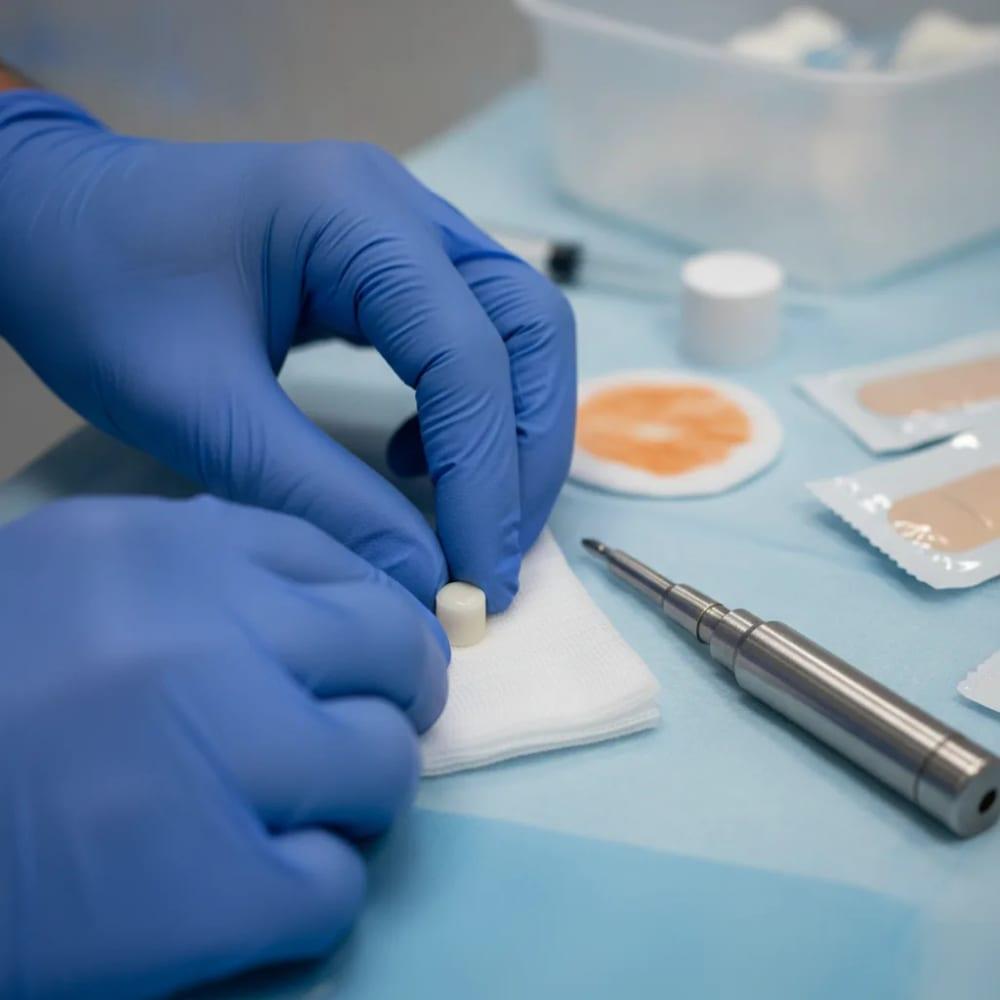
We start with a conversation. You sit down with one of our providers and talk about what has been going on. We discuss fatigue, brain fog, and stubborn weight. Perhaps your sleep is disrupted or your mood has changed without explanation. We hear these concerns every week from men in Lake Mary who have been dealing with these symptoms for months, sometimes years, before they finally walk through our door.
After that conversation, we ordered bloodwork. This is a full hormone panel that checks your total and free testosterone levels along with other important markers. Most men do not realize that their regular doctor might check total testosterone and stop there. We look deeper because the numbers tell a story, and we want the full story.
What Happens After Your Labs
Once your results come back, we review them with you line by line. This is not a rushed five-minute recap. It is a detailed discussion where we explain what each number means and how it connects to the symptoms you described. Then we build a treatment plan together based on your specific lab values and your goals.
Here is what a typical first visit looks like:
- Check in at our office near the Timacuan area and complete a brief health history form.
- Meet with your provider for a one-on-one consultation about your symptoms and medical background.
- Get your blood drawn on-site for a full hormone panel.
- Return for a follow-up visit to review results and discuss your treatment options.
- Begin your andropause treatment protocol under direct medical supervision.
Men often tell us they wish they had come in sooner. The process is not complicated; it requires the right team paying attention to the right details. Our providers are licensed professionals who focus on hormone health for men every day. You are not a side case here. This is what we do.
Are you wondering if what you are feeling is actually andropause? That is what the first visit is for. Schedule a consultation, and we can find out together.
Book Your Consultation
Frequently Asked Questions
How do I know if my fatigue and mood changes are actually andropause and not just stress?
The clearest sign is a pattern that lasts longer than a few weeks. Stress comes and goes. Andropause symptoms tend to build slowly over months. If you have had low energy, flat mood, and reduced drive for six months or more, that pattern matters. We run a full hormone panel — not just total testosterone — to find out what is actually driving your symptoms. A single bad week is not andropause. A consistent six-month pattern often is.
My doctor said my labs were normal, but I still feel terrible. Can that actually happen?
Yes, and we hear this from men in Lake Mary almost every week. Standard blood panels usually check only total testosterone. That number is compared against a wide range that includes men in their 80s. Your result can look normal and still be too low for your age. We check free testosterone, SHBG, estradiol, thyroid, and cortisol — markers that most primary care panels skip. Those numbers often tell a very different story.
How long does it take to feel better after starting andropause treatment?
Most men notice real changes within six to eight weeks of starting treatment. Sleep usually improves first. Energy and mental clarity tend to follow. We schedule your first follow-up labs at that six-to-eight week mark to see how your body is responding. Fine-tuning the protocol after that first check often makes a big difference. Full results — including muscle recovery and body composition changes — typically take three to six months to show clearly.
What should I expect at my first visit at your Lake Mary clinic?
Your first visit is a consultation and a blood draw — nothing more. We sit down, go through your symptoms, and review any previous labs you have. Then we order a full hormone panel that covers more than just total testosterone. There is no pressure and no rushed decisions. Once your results come back, we walk through every number with you and explain what it means for how you actually feel day to day.
Are active men in their 40s and 50s really at risk for low testosterone even if they work out regularly?
Absolutely — and this is one of the most common things we see near areas like Timacuan and Heathrow. Men who exercise regularly and eat well are often surprised when their labs show declining testosterone. Staying active slows the decline but does not stop it. Testosterone drops roughly one percent per year after age 30. By your mid-40s, that adds up. If your workouts stopped producing results and recovery takes much longer than it used to, that is a real clinical signal worth checking.
Do I need a referral to get a hormone evaluation in Lake Mary?
No referral is needed to schedule a hormone evaluation with us in Lake Mary. You can call or book directly. We are a physician-supervised clinic, so your evaluation and any treatment plan are handled by board-certified providers from start to finish. Many men come to us after waiting months for a referral elsewhere. You do not have to wait that long to get real answers about how you feel.
Ready for a Svelte transformation?
Take the first step toward better health and metabolic stability today.
Our team is here to support you.